Beyond the Loop
60 miles of flooded freight tunnels, abandoned L stations, and Capone's speakeasies
Chicago’s real soul isn’t found in the tourist traps; it’s hidden in neighborhood speakeasies, abandoned theaters, and the secret corners of the lakefront that the brochures forget.
1
Chicago Freight Tunnel System
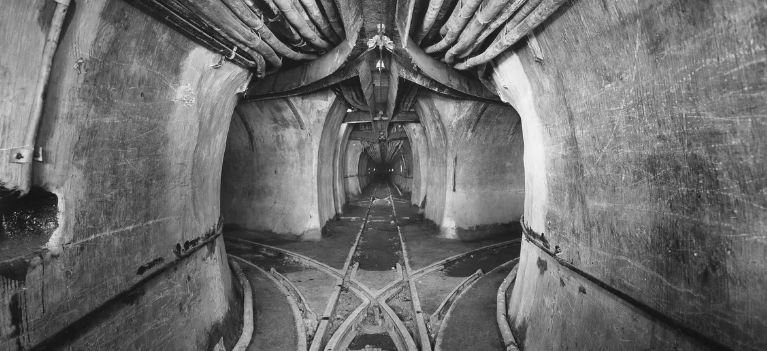
Sixty miles of underground freight tunnels run beneath downtown Chicago, built between 1899 and 1906 to move coal and goods via electric railway cars. The system worked until 1959. In 1992, a contractor drove a piling through the tunnel roof into the Chicago River, causing the Great Chicago Flood that flooded basements across the Loop. The tunnels were sealed after 9/11. Most Chicagoans have no idea this network exists. You can't visit — access is restricted to utility workers — but the knowledge that an entire subterranean city runs beneath your feet changes how you see the streets. Some sections are still used for fiber optic cables and utilities. Others sit empty, slowly flooding with groundwater. The tunnel system is Chicago's best-kept infrastructure secret.
2
California Blue Line Ghost Station
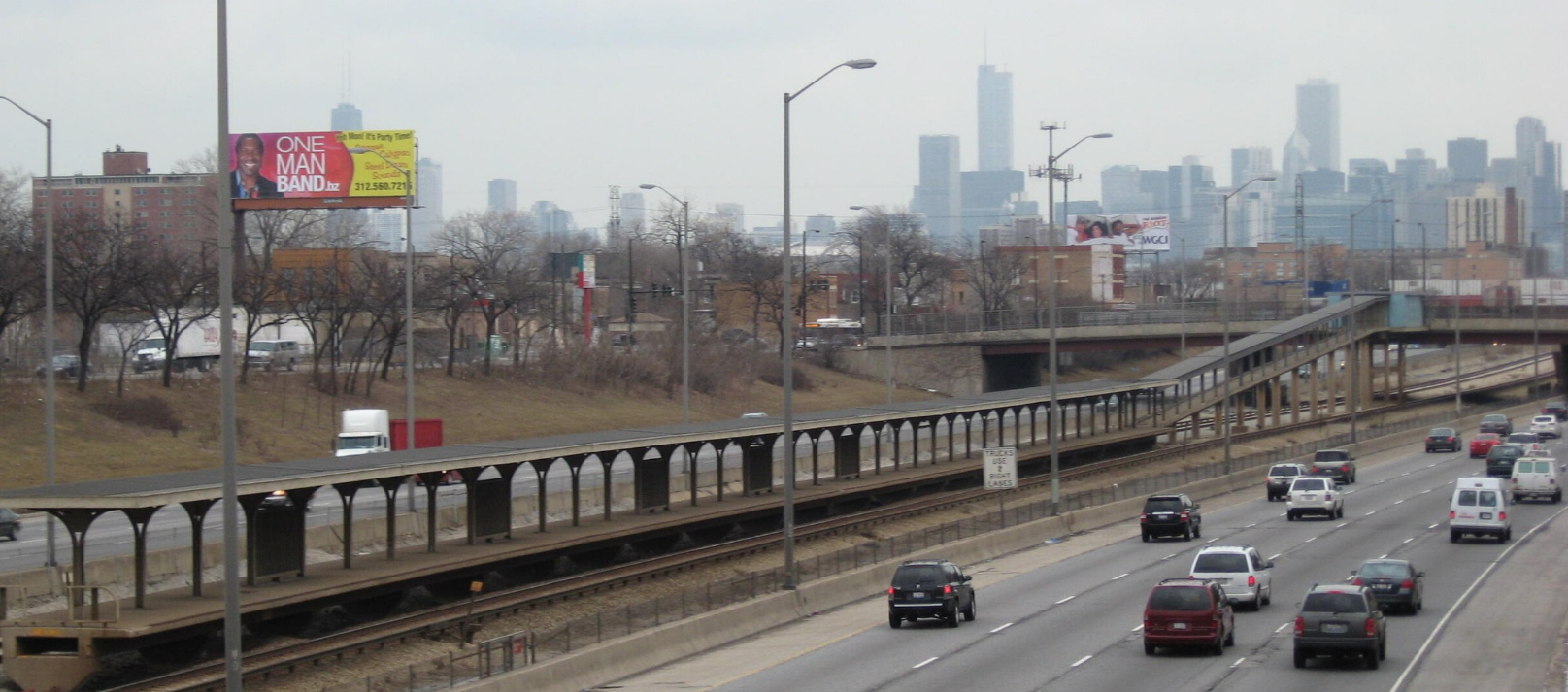
An abandoned L station sits in the median of the Eisenhower Expressway, closed since 1973 and visible from passing Blue Line trains. The California station was part of the original Garfield Park elevated line, abandoned when the Congress Line (now Blue Line) was rerouted. The platform is still there — rusted, overgrown with weeds, covered in graffiti. No public access, but you can see it clearly if you ride the Blue Line between UIC-Halsted and Illinois Medical District. Watching an abandoned station flash past while you ride a functioning train creates a strange temporal overlap — this is what infrastructure death looks like in a city that doesn't tear everything down.
3
Union Stock Yard Gate
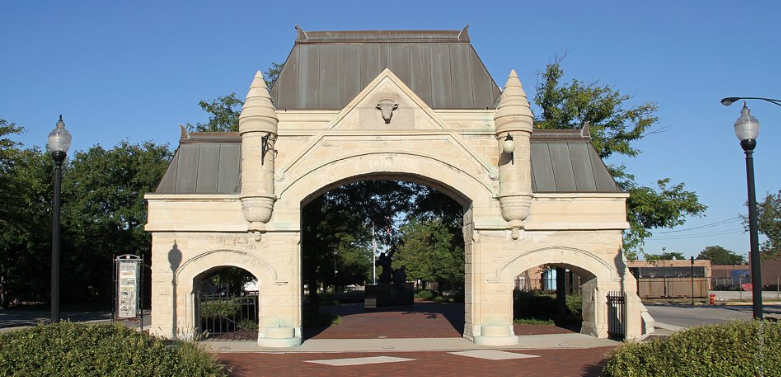
The only remaining structure from the Union Stock Yards, once the largest meatpacking complex in the world (1865-1971). This neo-gothic limestone gate from 1877 is the sole survivor of an industrial empire that defined Chicago. At its peak, the stockyards processed 18 million animals annually. Upton Sinclair wrote The Jungle about conditions here. The smell could be detected miles away. Now: one ornate gate standing alone on Exchange Avenue, a National Historic Landmark marking an industry that no longer exists. Behind the gate: industrial lots, some new development, and the absence of what was once the economic engine of the Midwest.
Sponsored Pick
Advertisements help support our content
4
1893 World's Fair Remnants (Jackson Park)
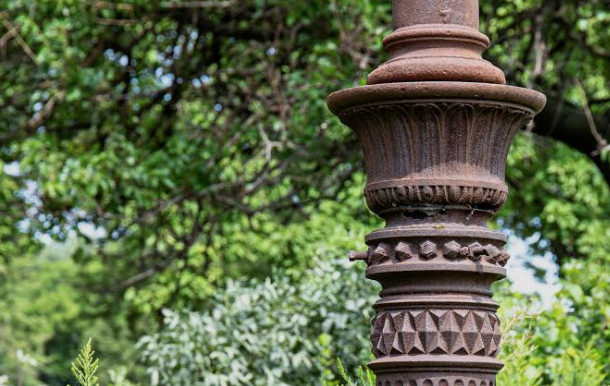
Scattered throughout Jackson Park: original arc lamp posts designed by Charles Atwood, Westinghouse manhole covers fabricated for the fair, the Wooded Island's Japanese garden on the site of the Phoenix Pavilion, and the Columbia Stone Pedestrian Bridge. The 1893 World's Columbian Exposition was demolished after the fair — almost everything burned or was torn down. These fragments are what remains of the "White City" that introduced Ferris wheels, Cracker Jack, and electric lighting on a scale never seen before. Most visitors to Jackson Park walk past 130-year-old infrastructure without realizing they're treading on World's Fair history.
5
Alfred Caldwell Lily Pool
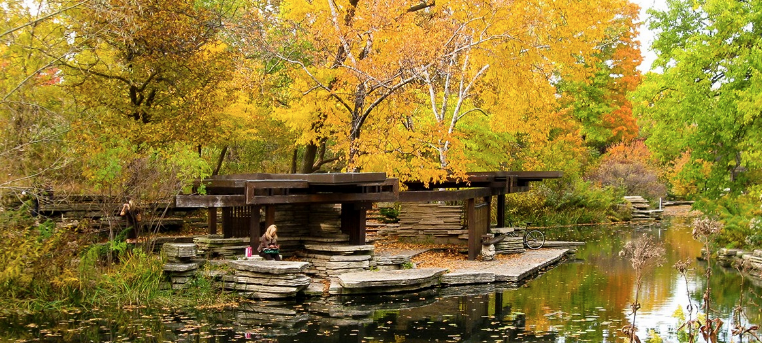
A hidden Prairie School garden designed by Alfred Caldwell in 1936, rebuilt in 2013, and somehow still unknown to most Chicagoans. The lily pool sits at the north end of Lincoln Park Zoo — a serene landscape of water, stone, and native plants arranged in the Frank Lloyd Wright tradition of organic architecture. The space looks like a Monet painting come to life. Stone pathways wind through water gardens. Native plants bloom in careful succession. The council ring of stone benches invites contemplation. This is landscape architecture as art, quietly succeeding in a city that usually prefers loud.
6
Chicago Temple Sky Chapel
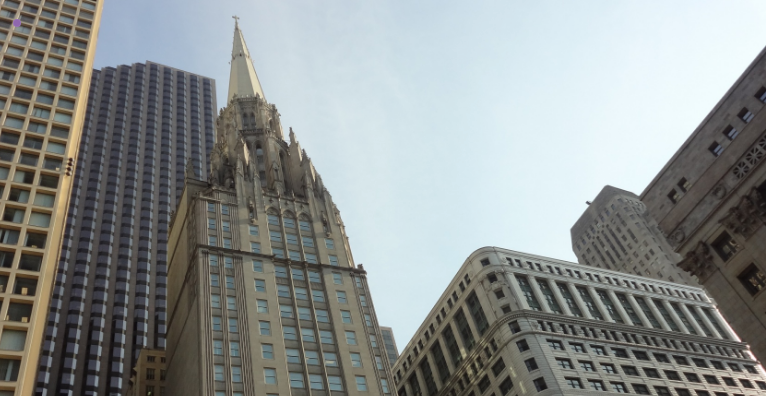
The world's highest church sits 400 feet above street level inside the spire of the First United Methodist Church — a neo-gothic skyscraper in the Loop that's also the world's tallest church building at 568 feet. The Sky Chapel seats 30 people in a space accessible via elevator to the 22nd floor, then a narrow staircase. Eight stained glass windows, a small altar, and views across downtown. The chapel was designed for small weddings and quiet services. Most people walk past this building daily without realizing they're passing a church in the sky. Free tours are offered, but you have to ask.
Sponsored Pick
Advertisements help support our content
7
State & Adams Ice Water Factory
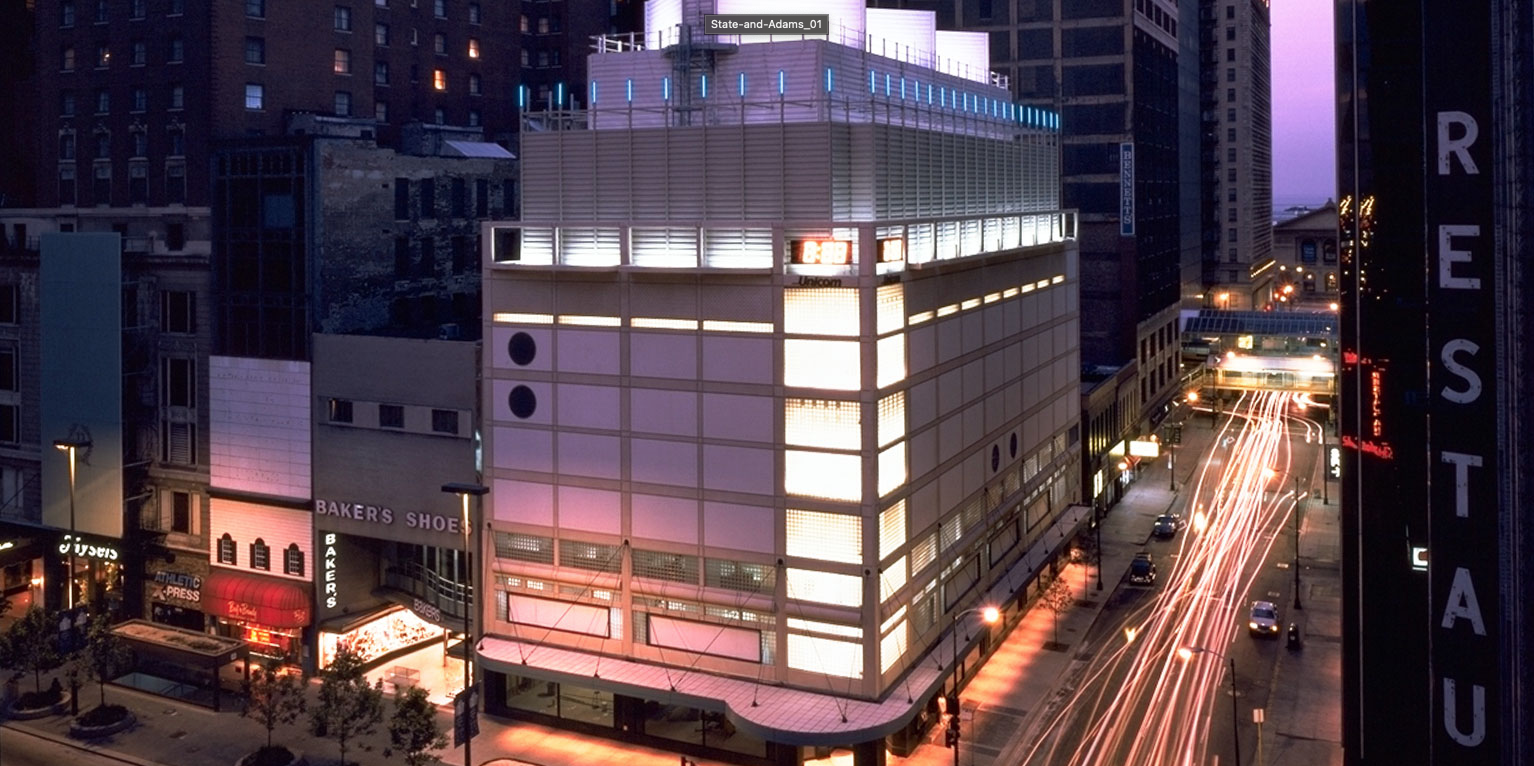
Four nearly-windowless floors sit above the CVS pharmacy at State and Adams, containing floor-to-ceiling tanks that produce ice and chilled water for Loop buildings. Most people walk past this every day without noticing the building has almost no windows. The "ice water factory" is a utilitarian structure hiding in plain sight — functional infrastructure disguised as architecture. The tanks inside serve the State Street district's cooling needs. The building does exactly one thing, does it efficiently, and makes no aesthetic argument for itself. This is architecture as pure utility.
8
Granville Beach
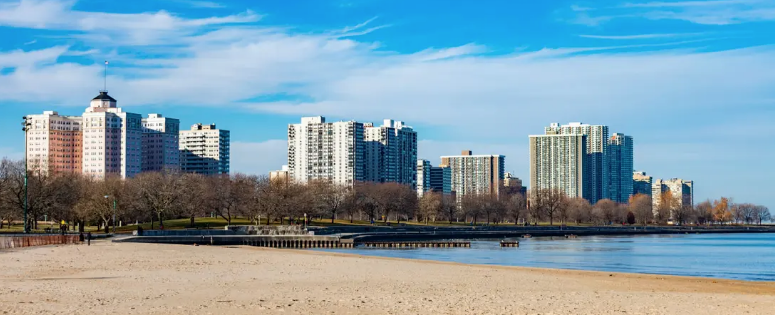
A tiny secret beach in Rogers Park where locals bring hammocks and books for quiet afternoons. No lifeguards, no concessions, no crowds — just a small stretch of sand at the end of Granville Avenue that most Chicagoans don't know exists. The beach sits tucked between larger public beaches, small enough to miss but perfect for reading or swimming without the Navy Pier energy. The view includes lake, sky, and the kind of urban solitude that cities promise but rarely deliver. Combine with Jarvis Beach and Lane Beach for a low-key North Side beach day.
9
Thorne Miniature Rooms
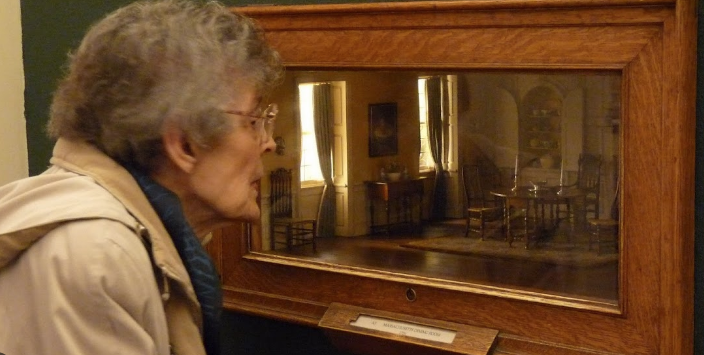
Sixty-eight tiny, meticulously detailed diorama rooms in the Art Institute's basement, created by Narcissa Niblack Thorne at 1-inch scale between 1932 and 1940. Each room recreates European and American interiors from the 16th to 20th centuries with working hinges, upholstered furniture, hand-painted wallpaper, and miniature art. The craftsmanship is extraordinary — these aren't dollhouses, they're architectural models built by master craftsmen. Most visitors to the Art Institute never make it down here, which means you can spend an hour studying furniture that's an inch tall in a quiet basement gallery while everyone else fights for a photo of Nighthawks.
Sponsored Pick
Advertisements help support our content
10
Music Box Theatre
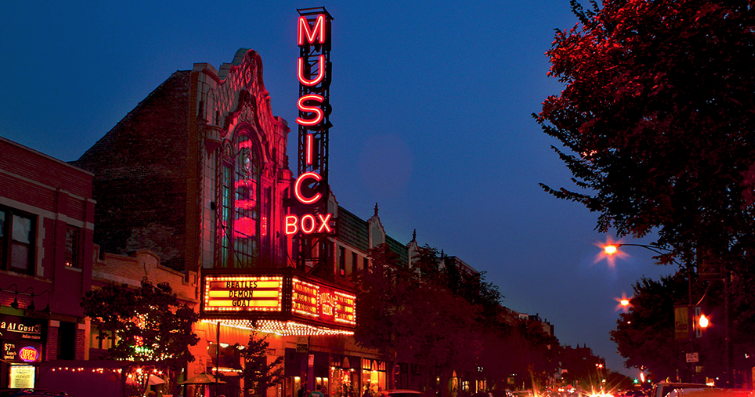
A 1929 movie palace that never stopped showing films, preserving the experience of watching a movie in an ornate atmospheric theater. The ceiling is painted to look like a night sky with twinkling stars and moving clouds. The organ still rises from the orchestra pit for special screenings. The Music Box programs classics, cult films, foreign cinema, and midnight movies — this is where you watch The Room with 200 people shouting at the screen, or catch a 35mm print of a Hitchcock film. The theater has been lovingly maintained, which means it feels like 1929 in the best possible way. Popcorn is fresh. The balcony is intact. Movies look better here.
11
Homestead on the Roof
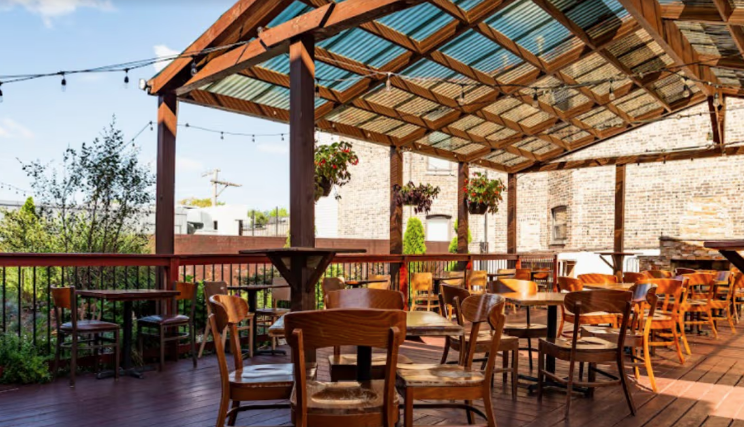
Chicago's "secret garden" sits above Roots Handmade Pizza in West Town — a 1,000 sq ft rooftop space with vertical hanging gardens, string lights, and the kind of atmosphere that makes you forget you're in a city. The bar serves craft cocktails and local beer. The menu is farm-to-table without being precious about it. The space feels like someone's well-designed backyard, except it's four stories up with skyline views. This isn't a flashy rooftop lounge; it's a quiet space that succeeds by being thoughtfully made. Open seasonally, weather-dependent. Go for sunset.
12
Harper Memorial Library Secret Spaces
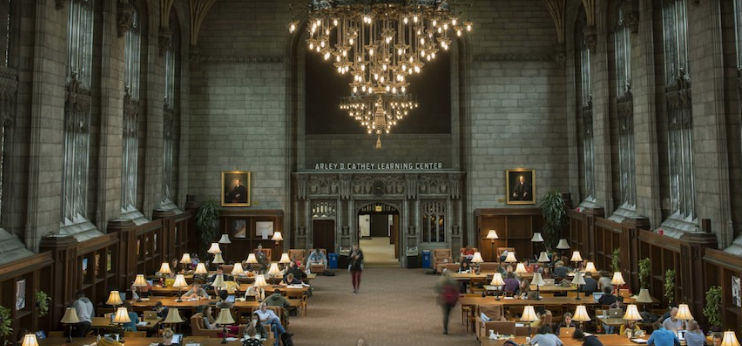
The University of Chicago's Harper Memorial Library contains two hidden spaces: a basement "library beneath a library" with study spaces accessible through unmarked doors, and a space between the ceiling and roof peak that students have accessed for decades. The basement library is open to anyone who knows to look for it — quiet, wood-paneled, ideal for studying. The upper space is technically off-limits but generations of UChicago students have found ways in. The building itself is neo-gothic grandeur, designed to make education feel like a cathedral. The secret spaces make it feel like exploration.
Sponsored Pick
Advertisements help support our content
13
Project Logan Permission Wall
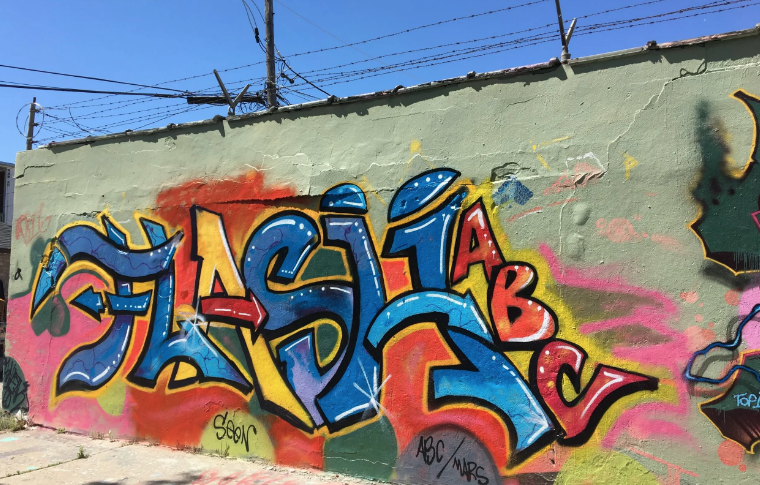
A four-sided permission wall surrounding 3,300 sq ft between Medill and Fullerton west of Milwaukee — one of Chicago's most heavily concentrated legal graffiti spots. Artists can paint here without legal consequences, which means the work changes constantly. Some pieces last weeks. Others get buffed in days. The quality ranges from amateur to professional, which is the point — this is street art as living practice, not curated museum display. The wall sits in a Logan Square alley most people would never walk down, which makes finding it feel like discovery. Bring a camera. The art won't be the same next month.
14
Biograph Theater (Dillinger Death Site)
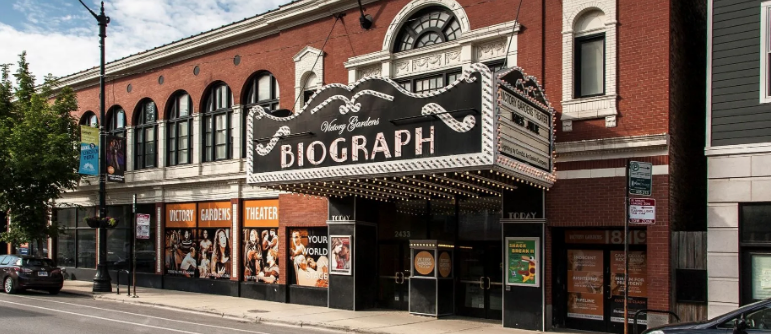
The actual location where FBI agents shot John Dillinger on July 22, 1934, after he watched a movie. The theater on Lincoln Avenue still stands, now operating as a live venue. A historical marker notes the spot where "Public Enemy No. 1" died. The movie he watched: Manhattan Melodrama. The woman who tipped off the FBI (the "Lady in Red") was actually wearing orange. Dillinger walked out of this theater into an ambush that's now Chicago crime folklore. The building has been renovated, but standing outside the former theater entrance connects you to a specific moment when federal law enforcement killed a celebrity criminal on a Chicago street.
15
Green Mill Cocktail Lounge
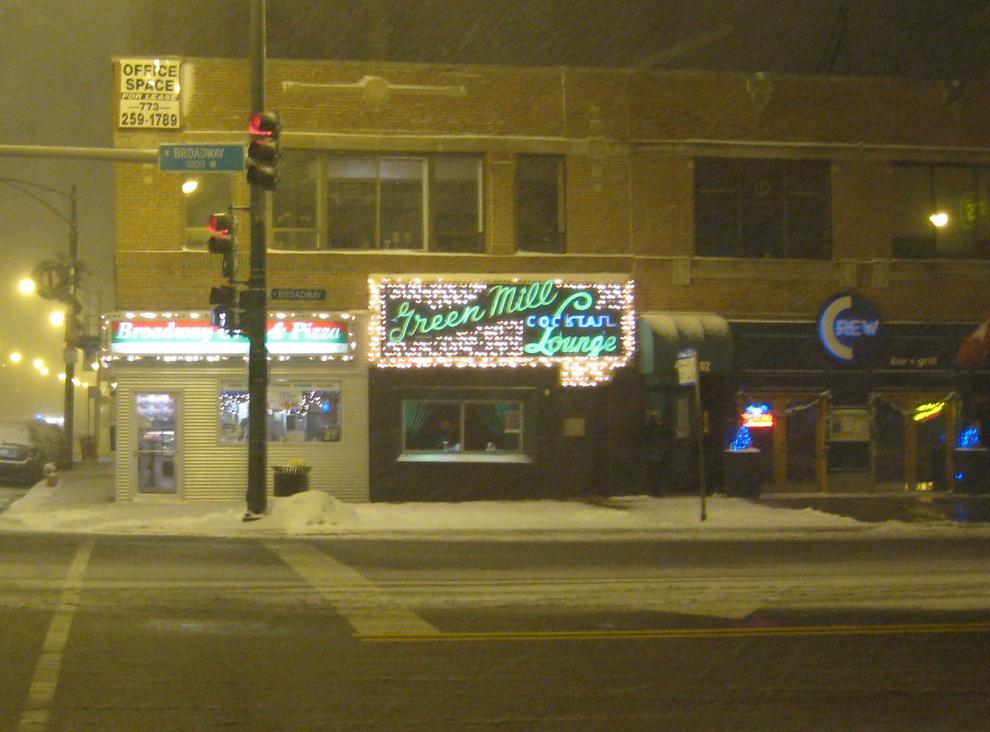
The oldest jazz club in the United States, famous for its connections to Al Capone (his favorite booth is still there). It opened in 1907 as Pop Morse's Roadhouse. The interior is a preserved 1940s time capsule. Regulars know to bring cash and respect the music—silence is enforced during sets.
Sponsored Pick
Advertisements help support our content
16
Pullman National Monument

The first planned industrial community in the United States, built by George Pullman for his employees. It was the site of the 1894 Pullman Strike which changed labor history. The Administration Clock Tower Building is the centerpiece of a neighborhood that feels frozen in the 19th century. Walking these streets explains the history of American labor unions better than any textbook.
Stay curious
New stories and hidden gems delivered to your inbox.
No spam. Unsubscribe anytime.
Explore More
Discover more curated guides and local favorites.
Chicago's Best Bars
Dive bars, cocktail lounges, and neighborhood favorites
Explore
Chicago's Best Coffee Shops
Local roasters, cozy cafes, and third wave spots
Explore
Chicago's Best Restaurants
From fine dining to hidden gems and local favorites
Explore
Chicago's Dark History
Unsolved mysteries and darker chapters
Explore
Chicago's Curiosities
Fascinating facts and surprising stories
Explore
Chicago's Lost Chicago
Beloved places we miss
Explore
Tampa Best Bars
Dive bars, cocktail lounges, and neighborhood favorites
Explore
Tampa Best Restaurants
From fine dining to hidden gems and local favorites
Explore
Know something we missed? Have a correction?
We'd love to hear from you