There's a street in Dallas called Deep Ellum, named for the neighborhood that sprawls around it. Today, it's an arts district — murals, bars, live music venues, and upscale restaurants. It's Dallas's hip neighborhood, the place where creatives go to drink and see bands.
But from the 1920s through the 1940s, Deep Ellum was something else entirely: one of the three great centers of American blues and jazz, alongside Memphis's Beale Street and New Orleans's Bourbon Street. Blind Lemon Jefferson, the "Father of Texas Blues," played here. Robert Johnson recorded "Cross Road Blues" in a Deep Ellum hotel room. Lead Belly, T-Bone Walker, Lightnin' Hopkins, and Bessie Smith all performed in Deep Ellum clubs.
Then Dallas demolished it. Not metaphorically — literally. The city built highways through Deep Ellum, displacing hundreds of Black residents, destroying the 2400 block of Elm Street (the neighborhood's commercial heart), and erasing a cultural center that rivaled anything in America. What exists today is a sanitized, gentrified version marketed to tourists. The real Deep Ellum — the Black cultural haven that produced American music legends — was bulldozed for a freeway.

The Freedmen's Town
Deep Ellum began in 1873 as a settlement for freed slaves. Located just east of downtown Dallas at the railroad crossing, it was one of the few areas where Black residents could own property and operate businesses. The name is a phonetic spelling of "Deep Elm" — Elm Street running deep into East Dallas.
By the early 1900s, Deep Ellum had become Dallas's Black commercial district. The 1916 construction of the Grand Temple of the Black Knights of Pythias — designed by William Sidney Pittman, the first Black architect registered in Texas and son-in-law of Booker T. Washington — symbolized the neighborhood's aspirations. This was a place where Black residents could build wealth, culture, and community.
The eastern edge of Deep Ellum was uniquely integrated, with Black, white, and immigrant residents living side by side. But the core remained predominantly Black — a self-contained community with churches, businesses, clubs, and theaters serving a population excluded from white Dallas by Jim Crow segregation.
"If you were Black and you were in Dallas, you were in Deep Ellum. That's where life happened."
— Alan Govenar, Folklorist and Deep Ellum historian

The Music
In the 1920s and 1930s, Deep Ellum exploded as a music center. The neighborhood's clubs, theaters, and street corners became proving grounds for blues and jazz musicians. On Saturday nights, Elm Street would be so crowded with people that cars couldn't pass. Musicians played on street corners, in clubs, in theaters, creating a scene that rivaled Memphis and New Orleans.
Blind Lemon Jefferson was the neighborhood's most famous son. Born blind in East Texas, he came to Deep Ellum in the early 1920s and became the first commercially successful male blues singer. His guitar playing and songwriting influenced every blues musician who came after. He died in 1929, but his legacy defined Texas blues.
Robert Johnson recorded "Cross Road Blues" and other tracks in Deep Ellum in 1937, in a makeshift studio at the Gunter Hotel. Lead Belly performed there regularly. T-Bone Walker, who pioneered electric blues guitar, grew up in Deep Ellum. Lightnin' Hopkins, Bessie Smith, and countless others played the neighborhood's clubs.
The venues included the Ella B. Moore Theater, the Texas Harlem Theater, and dozens of clubs packed into a few square blocks. Recording scouts from Brunswick and Paramount Records came to Deep Ellum looking for talent. The neighborhood's sound — raw, electric, distinctly Texan — shaped American music.

The Big Three
In the 1920s-1940s, American blues had three centers: Beale Street (Memphis), Bourbon Street (New Orleans), and Deep Ellum (Dallas). Deep Ellum was the only one of the three that was completely destroyed by urban renewal. The music remains, but the place is gone.
The Destruction
Deep Ellum's death was not an accident. It was deliberate, methodical, and racist. Between 1947 and 1956, Dallas built Central Expressway (US 75) directly through the neighborhood, displacing hundreds of Black residents and businesses. The construction wasn't just infrastructure — it was urban removal.
In 1969, the city elevated Central Expressway, eliminating the 2400 block of Elm Street entirely — the commercial heart of Deep Ellum, where most of the clubs and businesses were concentrated. Then Interstate 345 was built, further bisecting the neighborhood and creating a physical barrier between Deep Ellum and downtown.
This wasn't a side effect of necessary progress. Highway planners had options. They chose routes that destroyed Black neighborhoods while preserving white ones. Deep Ellum, like countless Black communities across America, was deemed expendable.
By the 1970s, Deep Ellum had become a nameless warehouse district. The clubs were gone. The theaters were demolished. The Black community that built the neighborhood had been scattered. Cultural memory was erased so thoroughly that most Dallasites didn't even know Deep Ellum had existed.
"They didn't just destroy buildings. They destroyed a community, a culture, a way of life. And they did it on purpose."
— Stephanie Payne, Historian, quoted in "Death of Deep Ellum"

The First Revival: 1980s-1990s
In the 1980s, artists began moving into Deep Ellum's abandoned warehouses, attracted by cheap rent and large spaces. By 1991, over 50 clubs had opened. A new music scene emerged — not blues, but alternative rock, punk, and indie. The Old 97's, Erykah Badu, and Edie Brickell all played Deep Ellum clubs.
This revival was real, but it was fundamentally different from what came before. The new Deep Ellum was white, artistic, and consciously countercultural. The neighborhood's Black heritage was acknowledged — murals referenced blues history, some venues kept the name "Deep Ellum Blues" alive — but it was history, not lived experience.
The 1990s scene was vibrant but fragile. Crime increased as the neighborhood gentrified. Clubs struggled with noise complaints, liquor licensing, and police harassment. By the early 2000s, the scene was collapsing.
The Second Decline: 2000s
Between 2005 and 2009, Deep Ellum died again. A crime wave in 2007 led the city to require special permits for new bars. The Great Recession (2008-2009) gutted the nightlife industry. By 2009, almost every club had closed. The neighborhood became what one journalist called "a low point" — empty buildings, graffiti, no foot traffic.
This decline revealed something important: Deep Ellum's revivals were always temporary, always vulnerable, because the underlying conditions that destroyed the neighborhood were never addressed. The highways remained. The displacement remained. The economic foundation that supported the original Deep Ellum — a self-sustaining Black community — was gone.
The Third Revival: 2010s-Present
The current version of Deep Ellum began around 2010 with upscale development. Luxury apartments, craft breweries, boutique shops, and music venues opened. In 2020, Dallas officially designated Deep Ellum as a Cultural District. In 2023, it was added to the National Register of Historic Places.
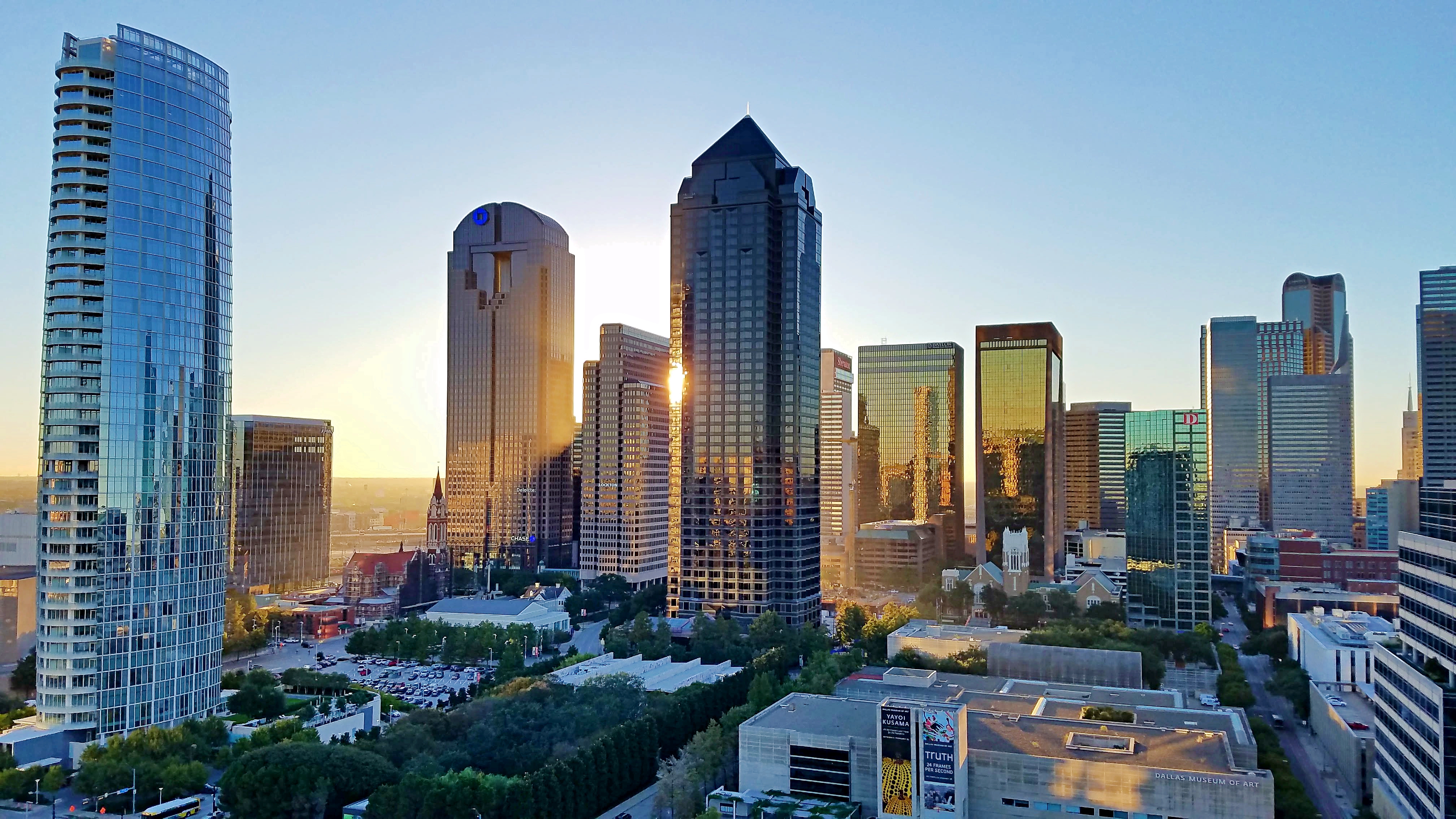
Today, Deep Ellum has over 30 live music venues. The streets are filled on weekends. Murals cover every available wall. It's Dallas's premier entertainment district — a success story by most measures.
But the demographics tell a different story. Deep Ellum today is 54% white, 20.8% Black. The neighborhood that was once Dallas's Black cultural heart is now majority white, serving a clientele that's largely unaware of what was lost.
Then vs. Now
The 1920s Deep Ellum: A self-sustaining Black community producing American music legends. The 2020s Deep Ellum: A gentrified arts district that commemorates, but does not embody, that heritage. The name is the same. Everything else is different.
What Was Lost
The difference between the original Deep Ellum and today's version isn't just demographics. It's authenticity, economic self-determination, and cultural ownership.
The 1920s Deep Ellum was an organic community. Black residents owned the clubs, the theaters, the businesses. Musicians lived in the neighborhood. The culture wasn't performed for tourists — it was lived.
Today's Deep Ellum is a destination. People drive in from the suburbs to see bands and drink at trendy bars. The music venues are professionally managed. The murals are commissioned. The "culture" is curated and marketed. It's not fake, exactly, but it's not the same.
And the economic benefits flow differently. In the 1920s, money spent in Deep Ellum stayed in the Black community. Today, most businesses are owned by white entrepreneurs. The neighborhood generates wealth, but not for the community that created it.
"We celebrate Deep Ellum's blues heritage, but we bulldozed the people who created it and replaced them with condos. That's not preservation. That's erasure with a gift shop."
— Community activist, Quoted in Dallas Observer, 2018
The Legacy
Deep Ellum is often cited as a model of urban revival — a blighted warehouse district transformed into a thriving cultural center. And in one sense, that's true. The neighborhood is economically successful, culturally vibrant, and architecturally interesting.
But it's also a story of displacement, erasure, and the limits of "revival" when the community being revived no longer exists. You can't bring back what highways destroyed. You can only build something new and decide how honestly to acknowledge what was lost.
The murals in Deep Ellum reference Blind Lemon Jefferson and the blues legacy. The marketing materials invoke the neighborhood's musical history. But the community that created that music is gone, displaced by highways built to destroy it. What remains is a memory, packaged and sold to visitors who never knew the original.
Walk through Deep Ellum today and you'll see vibrant street life, colorful murals, live music pouring out of venues. It's a fun neighborhood. It's not a lie. But it's not the whole truth, either.
The whole truth is that Deep Ellum was once a self-sustaining Black cultural community that rivaled Beale Street and Bourbon Street. Racist urban planning destroyed it. Highways were built through the heart of the neighborhood, displacing hundreds of families and erasing a cultural center that produced some of America's greatest musicians.
What exists now is a revival — the third one. It's real, it's successful, and it pays homage to what came before. But it's not the same. The people who built the original Deep Ellum are gone. The highways that destroyed it are still there. And the city that demolished its Black cultural mecca now markets that history to tourists.
Deep Ellum teaches an uncomfortable lesson: you can revive a neighborhood, but you can't undo displacement. You can celebrate history, but you can't reverse erasure. And you can build something new and vibrant on the ruins of what was destroyed — but you should at least be honest about what was lost.
Visiting Deep Ellum
Deep Ellum is located just east of downtown Dallas. The main strip is Elm Street between Good Latimer and Malcolm X Boulevard. For history, visit the Deep Ellum Community Center and the murals referencing Blind Lemon Jefferson. For music, check out the 30+ live venues. For the full story, read "Deep Ellum Blues" by Alan Govenar.