1
Colorado State Capitol Underground Tunnels
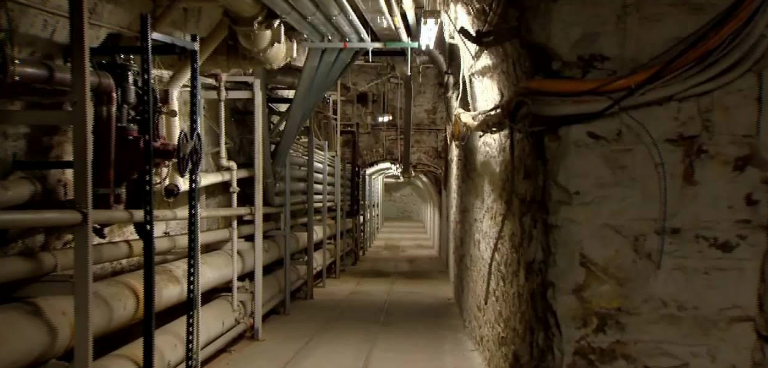
Beneath the Colorado State Capitol lies a network of tunnels that most Coloradans have no idea exists. The system connects nine buildings throughout the Capitol complex, running entire city blocks underground. You'll find old ore cart tracks from when the tunnels were used to transport coal, heavy vault doors once used by the state treasurer to move cash and gold certificates, and stretches of bare rock that feel more cave than corridor. The tunnels date to the Capitol's 1894 construction and were expanded over decades. During the Cold War, they were designated as fallout shelters. Today they're used by legislators and staff who prefer not to face Denver winters between buildings. Special tours occasionally open them to the public, usually during Doors Open Denver or by special legislative arrangement.
2
Cheesman Park - The Forgotten Graves
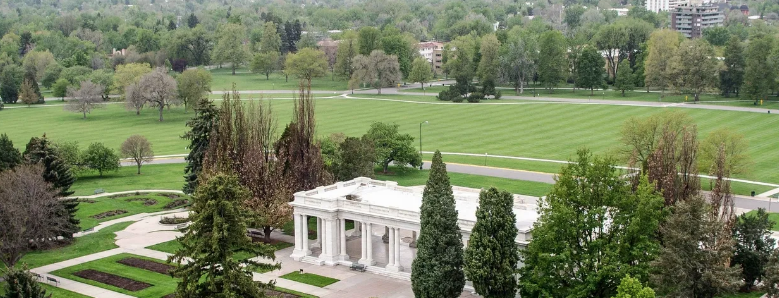
This 80-acre park is one of Denver's most popular green spaces: joggers circling the paths, couples picnicking on the lawns, yoga classes at sunset. It's also a mass grave. The land was Mount Prospect Cemetery from 1858 to 1890, filled with paupers, criminals, and smallpox victims. When the city decided to convert it to parkland, families got 90 days to claim their dead. Most went unclaimed. The city hired undertaker E.P. McGovern to relocate 5,000+ corpses at $1.90 each. McGovern found a shortcut: hack bodies apart, stuff them into child-sized coffins. The Denver Republican exposed "The Work Of Ghouls!" The city fired McGovern but never hired anyone else. An estimated 2,000-3,000 bodies remain beneath the grass. Construction crews still unearth bones regularly. Four well-preserved skeletons surfaced as recently as 2010. The Cheesman Park Pavilion, built in 1908, is said to be haunted. The park supposedly inspired elements of "Poltergeist." You've probably picnicked on a corpse.
3
Denver Tramway Powerhouse
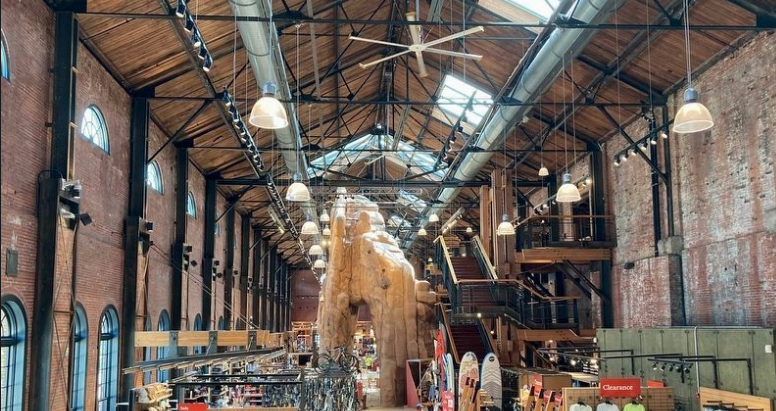
At the turn of the 20th century, the Denver Tramway Company needed serious power to run its growing streetcar network. So between 1901 and 1904, they built a massive powerhouse on the banks of the South Platte River for $1 million. The building could generate 9,500 kilowatts of electricity, enough to run 160+ miles of streetcar lines that crisscrossed the city. The architecture was industrial cathedral: soaring ceilings, massive steel trusses, brick walls thick enough to contain the roar of the generators. Denver's streetcar system was one of the largest in the country, and this building was its beating heart. Then came the car. By 1950, ridership had collapsed. The last streetcar ran in 1950. The powerhouse sat abandoned for decades until REI bought the building in 2000 and turned it into their Denver flagship store. Most shoppers browsing camping gear have no idea they're standing where turbines once powered an entire transit system. Look up: the original steel trusses are still there, the brick walls are original, and if you know what you're looking for, you can spot where the massive generators once sat. It's adaptive reuse at its finest, and a monument to a Denver that ran on rails.
Sponsored Pick
Advertisements help support our content
4
The National Wildlife Property Repository: Where confiscated weirdness goes to die
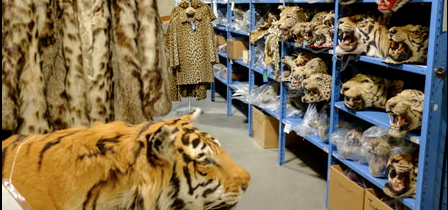
Ten miles from downtown Denver, hidden on a national wildlife refuge, sits a warehouse containing 1.3 million illegal wildlife products. This isn't your typical museum; it's the last stop for every piece of contraband seized at the border or from poachers. Think mounted tigers, rhino horns, vast collections of carved ivory, and the truly bizarre: zebra hoof lamps, elephant foot furniture, and bins overflowing with dried seahorse fetuses and bear gallbladders. It's a grotesque, fascinating, and deeply disturbing inventory of humanity's impact on the natural world, a global black market rendered inert. Most Denver residents have no idea this massive, macabre treasury of illegal taxidermy and poached goods even exists. It's a sobering, surreal experience—and a potent reminder of the cost of greed.
5
Hidden Elves at Denver Museum of Nature & Science
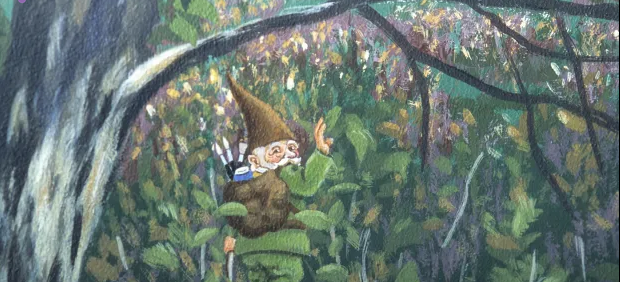
In the 1970s, artist Kent Pendleton was commissioned to paint the background murals for the museum's wildlife dioramas. Somewhere along the way, he started hiding tiny mythical creatures in his work: elves, gnomes, fairies tucked into forests and mountain scenes, only a few inches tall and masterfully camouflaged. The museum discovered them years later and decided to keep them. Now there are hidden creatures on every floor and in nearly every gallery. The official scavenger hunt sheet at the information desk lists nine, but longtime staffers say there are about double that. Kids go crazy for the hunt. Adults who grew up here remember searching for them as children. It's the kind of secret that makes a museum feel alive.
6
Fifty-Two 80's - Saturday Morning Cartoon Museum
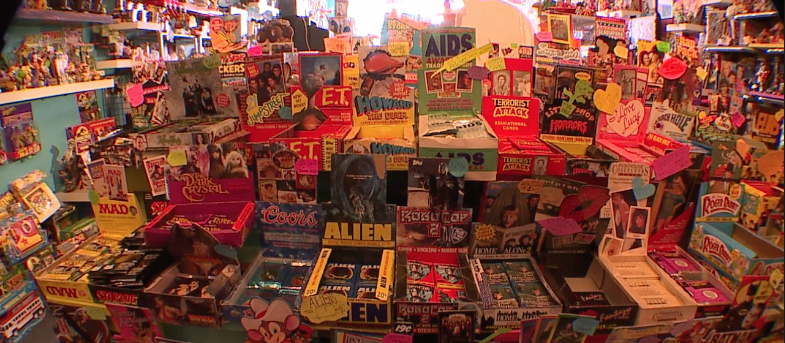
A 900-square-foot shrine to Reagan-era childhood on South Broadway. Owner Derek Berry has crammed 6,000+ items into every corner: 303 types of nonsports trading cards, original Smurfs figurines, vintage Pepsi cans with Star Wars promotional art, Pac-Man cabinets, Care Bears, and more Teenage Mutant Ninja Turtles merchandise than you thought existed. The walls are floor-to-ceiling nostalgia. The real move is showing up Saturday morning when they play actual 80s cartoons on screens throughout the shop. Adults who grew up on Saturday morning cartoons and Fruit Loops find themselves transported. Kids discover what their parents were into. It's part museum, part shop, part time machine.
Sponsored Pick
Advertisements help support our content
7
Clyfford Still Museum
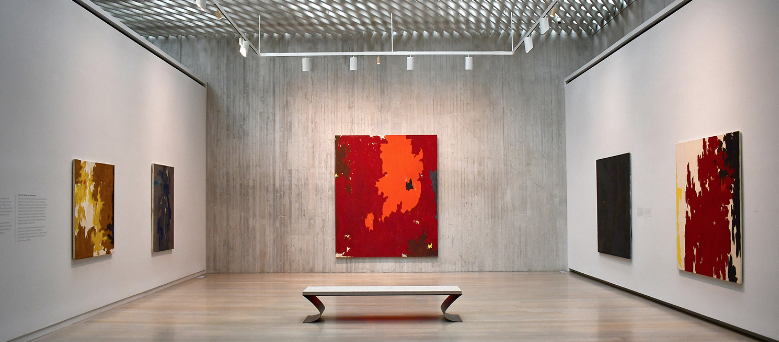
Clyfford Still was one of the most important American painters of the 20th century, a founder of Abstract Expressionism alongside Rothko, Pollock, and de Kooning. He was also famously reclusive, refusing to sell most of his work and demanding it be kept together. When he died in 1980, his will specified his entire estate (3,125 works, 93% of his lifetime output) go to an American city willing to build a museum dedicated solely to his art. Denver won. The result is a purpose-built museum that houses more work by a single artist than any other in North America. The building itself is stunning: clean-lined, filled with natural light, with galleries that let the massive canvases breathe. It sits next to the Denver Art Museum, which has higher profile, flashier architecture, and bigger crowds. The Still Museum is quieter, more contemplative, and arguably more powerful. Westword named it "Best Museum If You Only Have an Hour" in 2025.
8
International Church of Cannabis
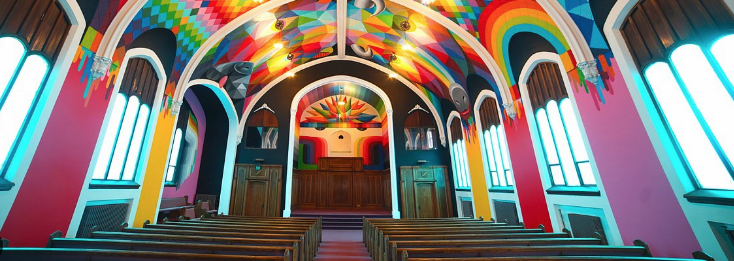
In 2017, the same year recreational cannabis became legal in Colorado, a group called the Elevationists bought a 113-year-old Lutheran church in a quiet Denver neighborhood and did something unprecedented: they turned it into a legal place of worship where cannabis is the sacrament. The neighbors were not thrilled. But the real revelation is the interior. The Elevationists commissioned Spanish artist Okuda San Miguel to transform the sanctuary, and he covered every surface with his signature geometric psychedelia: rainbow-colored deities, anthropomorphic birds, ancestral eagles, eyes filled with night stars, all rendered in Day-Glo colors that vibrate even when you're sober. The stained glass windows are now kaleidoscopic explosions. The altar is a portal. The effect is somewhere between a fever dream and a cathedral. The church hosts "BEYOND," an hourly 38-minute immersive laser light show with surround sound that visitors describe as transcendent whether or not they partake in the sacrament. You don't have to consume cannabis to visit (and you can't buy it there), but you might leave questioning a few things regardless.
9
Bluff Lake Nature Center
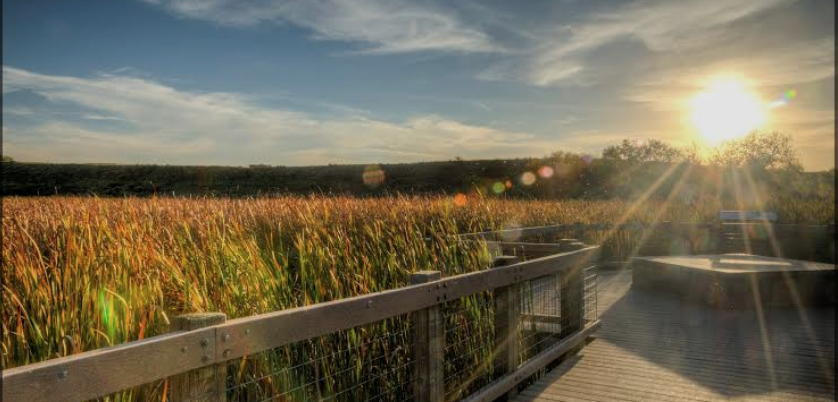
Northeast Denver has a 123-acre wildlife refuge that most residents have never heard of. Bluff Lake Nature Center sits along Sand Creek, a ribbon of wetlands, prairie, and cottonwood forest that feels impossibly far from the city despite being minutes from the airport. The land was a gravel quarry until the 1980s, then sat abandoned until a group of neighbors transformed it into an urban nature preserve. Now it's home to great blue herons, red-tailed hawks, muskrats, and over 200 species of birds documented on the property. The trails loop through wetlands and along the bluffs that give the place its name. On weekday mornings, you might be the only person there. It's the antidote to Washington Park crowds: no volleyball leagues, no lap swimmers, just prairie grass and birdsong. The nature center runs educational programs for local schools, but the trails are open to anyone willing to find them.
Stay curious
New stories and hidden gems delivered to your inbox.
No spam. Unsubscribe anytime.
Explore More
Discover more curated guides and local favorites.
Denver's Best Bars
Dive bars, cocktail lounges, and neighborhood favorites
Explore
Denver's Best Restaurants
From fine dining to hidden gems and local favorites
Explore
Denver's Best Coffee Shops
Local roasters, cozy cafes, and third wave spots
Explore
Denver's Dark History
Unsolved mysteries and darker chapters
Explore
Denver's Curiosities
Fascinating facts and surprising stories
Explore
Denver's Lost Denver
Beloved places we miss
Explore
Raleigh Best Bars
Dive bars, cocktail lounges, and neighborhood favorites
Explore
Raleigh Best Coffee Shops
Local roasters, cozy cafes, and third wave spots
Explore
Know something we missed? Have a correction?
We'd love to hear from you