Every summer, thousands of Fargo residents gather at Trollwood Park for outdoor theater, music festivals, and family picnics. The park sits along the Red River, with rolling lawns, mature trees, and a performing arts center that hosts productions all season long. It's one of the most beloved public spaces in the city.
It's also a graveyard.
Beneath the grass where families spread blankets, beneath the stage where actors perform, beneath the paths where children run, lie the remains of hundreds of people. They were the poor, the sick, the abandoned — residents of the Cass County Poor Farm who died with no one to claim them. The county buried them on-site, in unmarked graves, and then forgot they were there. Now, every few years, the river erodes the bank and the bones come back.
The Poor Farm
The Cass County Hospital and Poor Farm was established in 1895, when Fargo was still a rough frontier town. It served a grim purpose: housing people who had nowhere else to go. The elderly without families. The chronically ill without money. The mentally disabled whom society had no place for. The term "poor farm" was literal — residents were expected to work the land to offset the cost of their care.

Life on the poor farm was hard. Residents lived in dormitory-style housing, ate institutional food, and worked in the fields and gardens that surrounded the facility. Medical care was basic. Privacy was nonexistent. The poor farm wasn't a punishment — it was a last resort, the only option for people whom the economy and their families had discarded.
The Burials
When poor farm residents died — and they died frequently — the county faced a problem. Proper burials cost money. Headstones cost money. Cemetery plots cost money. The families who might have paid these costs either didn't exist or had already abandoned the deceased. So the county buried the dead on-site.
A cemetery grew on the poor farm grounds, along the river's edge. Graves were marked with wooden stakes or small stones — cheap, temporary markers that deteriorated within years. Some graves were marked with numbers rather than names. Some weren't marked at all. The county kept records, but the records were incomplete, and over the decades many were lost.
From 1895 until the poor farm closed in the 1960s, an unknown number of people were buried there. Estimates range from 350 to over 500. The true number will probably never be known. The graves accumulated, the markers decayed, and eventually the cemetery itself was forgotten — buried beneath landscaping, invisible to anyone who didn't know to look.
The Numbers
Official records account for approximately 350 burials at the Poor Farm cemetery. But the records are incomplete, and erosion has revealed graves in areas not documented in any surviving records. The actual number of people buried at the site may never be determined.
The Forgetting
After World War II, the concept of the poor farm fell out of favor. Social Security provided income for the elderly. Medicare and Medicaid paid for medical care. Mental institutions (problematic in their own way) took over housing for the mentally ill. The people who would once have ended up on poor farms now had other options.
The Cass County Poor Farm closed in the 1960s. The buildings were demolished. The land was transferred to the Fargo Park District, which developed it into Trollwood Park. A performing arts program began in 1979. Summer theater became a beloved tradition. Families flocked to the park for shows, concerts, and festivals.
Nobody talked about what was underneath. The cemetery wasn't marked. No signs indicated the graves' presence. The park district knew, in a vague way, that there had been burials — but the exact locations had been lost with the wooden markers. The poor farm dead had become invisible, their graves now covered with grass and walking paths and picnic areas.
For decades, this worked. The dead stayed buried. Fargo forgot they were there. Trollwood Park became a place of joy, not a reminder of poverty and death. The erasure seemed complete.
The Return
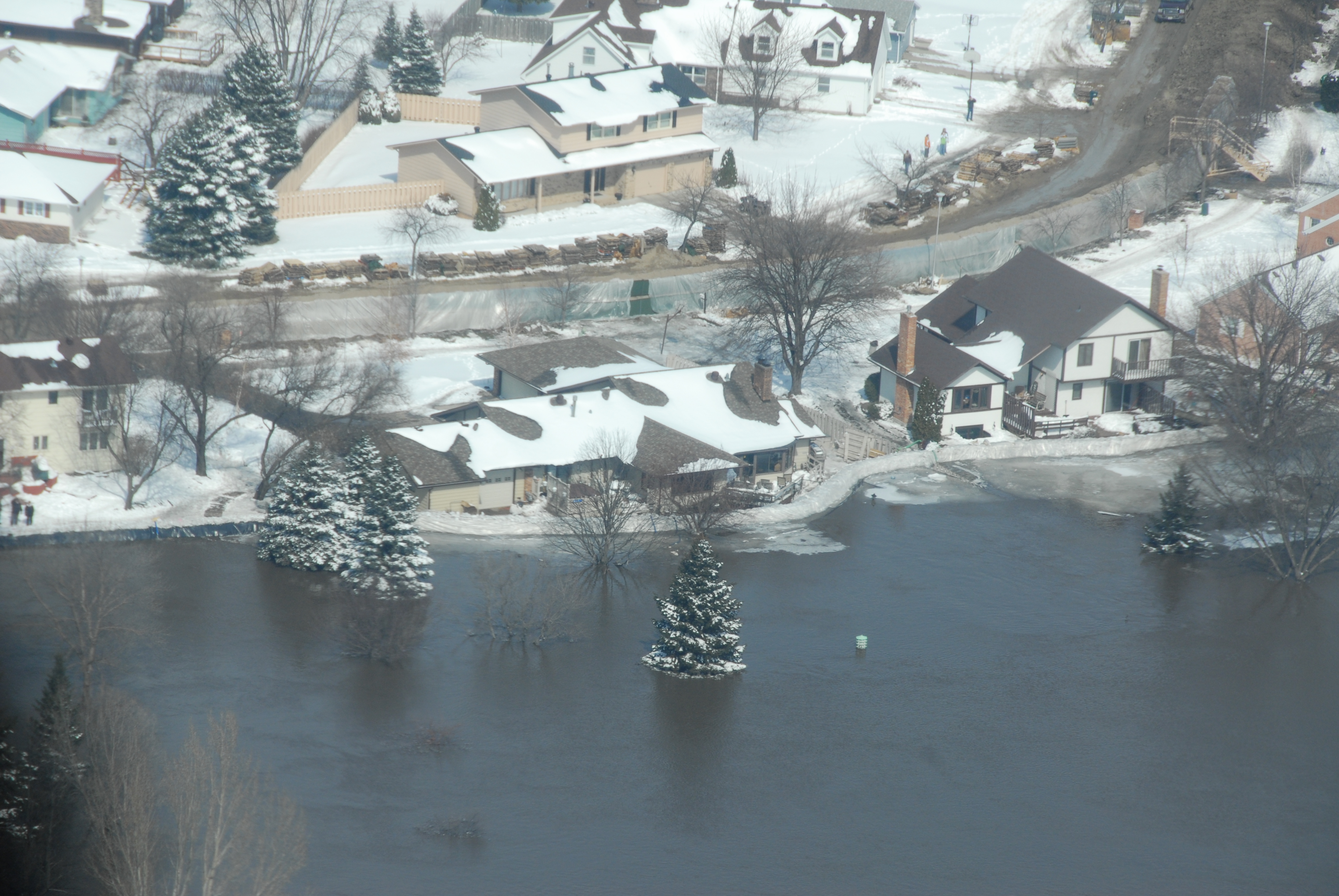
Then the river started taking back its bank.
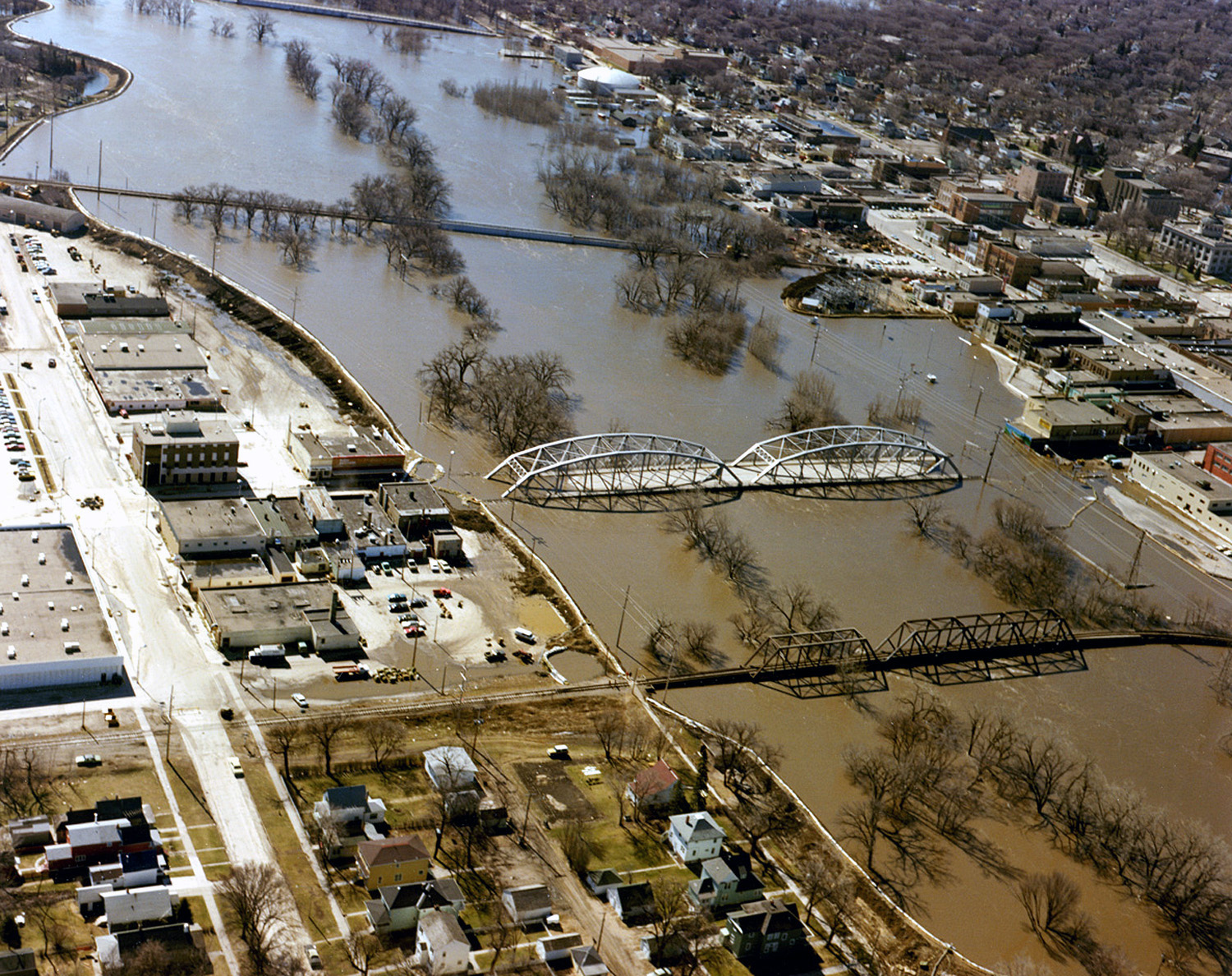
In 1985, erosion along the Red River exposed graves at the edge of the park. Human remains appeared in the riverbank — bones and coffin fragments tumbling into the water. Cass County was forced to act. Workers exhumed over 350 graves from the eroding section and reburied them in a new location, farther from the river.
But the problem didn't end. In 1999, more graves were discovered — burials that hadn't been documented, in areas the 1985 project hadn't reached. The river was still eroding. The dead were still appearing. In 2020, additional grave sites were found, prompting another round of investigation.
Nobody knows how many burials remain undiscovered. The original cemetery covered a large area, and documentation was poor even when the graves were new. Every major flood, every year of erosion, brings the possibility of more remains emerging. The poor farm dead won't stay forgotten.
"They were people who didn't have friends or family... Maybe nobody knew them. So who cared? And that's sad, just really sad."
— Jeanette Stanton, Former Cass County Commissioner
The Haunting
Trollwood Park has a reputation for being haunted. Visitors report hearing voices where no one is present. People feel watched, followed, observed. The most common sighting is a woman in a blue 19th-century dress, standing beneath a massive willow tree near the river, looking out at the water.
Ghost stories attach themselves to places with dark histories, and Trollwood qualifies. The poor farm housed hundreds of people in their final, desperate years. Many died alone, without family, without even the dignity of a marked grave. If any place in Fargo should be haunted, it's here.
Whether you believe in ghosts or not, there's something genuinely unsettling about the park's history. Summer concerts play over unmarked graves. Children run across ground that holds the forgotten dead. The laughter and music overlay a silence that stretches back over a century. The poor farm residents are still there, even if nobody can see them.
The Sightings
Paranormal investigators have visited Trollwood Park multiple times, documenting what they claim are unexplained phenomena. Whether or not you believe their findings, the ghost stories persist — particularly reports of the woman in blue near the willow tree and sounds of voices from areas where no living people are present.
The Memorial

After the 1985 reburial, Cass County installed a small memorial at the site of the relocated graves. It's modest — a marker acknowledging that poor farm residents are buried there, without listing names (since many names were never recorded). Most park visitors walk past without noticing it.
The memorial raises uncomfortable questions. How should a community remember people it deliberately forgot? The poor farm residents were buried in unmarked graves because society considered them unworthy of remembrance. Giving them names and headstones now, a century later, feels inadequate. The forgetting was the point. The erasure was intentional.
But the dead refuse to stay erased. Every time the river eats away at the bank, every time remains appear where no one expected them, the poor farm residents reassert their presence. They lived in Fargo. They died in Fargo. They were buried in Fargo. And no amount of landscaping can make that untrue.
Trollwood Park is one of Fargo's most beloved public spaces. Summer theater productions draw thousands. Families spread blankets on the grass. Children play while their parents watch concerts under the stars. It's a place of community and joy.
It's also a place of the forgotten dead. For half a century, the Cass County Poor Farm buried its residents on these grounds — the poor, the sick, the abandoned, the people nobody else wanted. Their graves were unmarked. Their names were lost. The county covered the cemetery with grass and pretended it didn't exist.
But the river remembers. Every few years, erosion reveals more graves, more bones, more evidence of the people Fargo threw away. The poor farm dead keep coming back, refusing to be forgotten, emerging from the earth that was supposed to hide them forever. The festival plays on. The graves remain beneath.
Visiting the Site
Trollwood Park is located at 801 50th Avenue South in Fargo. The relocated cemetery is in the southeast section of the park, marked by a small memorial. The Trollwood Performing Arts School offers summer theater productions at the park's Bluestem Amphitheater. Visitors should be aware they are walking on historically sensitive ground.