Hidden Minneapolis
Secret tunnels, underground art, and the places even locals don't know about
These aren't on the tourist maps. Secret tunnels, underground art spaces, museums in fire-hose cabinets, and places even locals might not know about. This is where Minneapolis gets weird and wonderful.
1
Orfield Labs Quiet Chamber
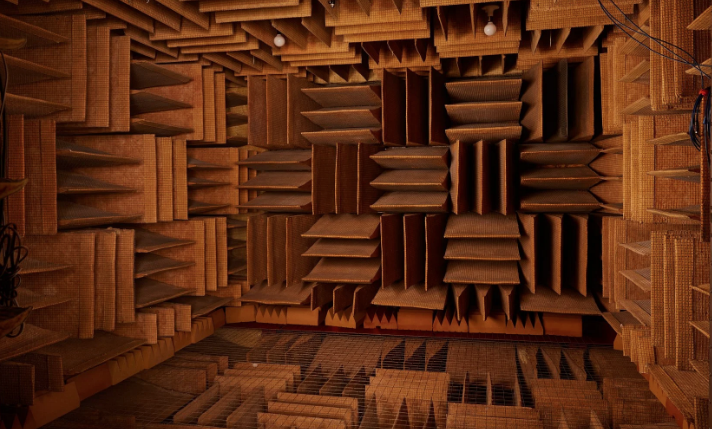
Certified by Guinness as the quietest place on Earth, the anechoic chamber at Orfield Labs in South Minneapolis absorbs 99.99% of sound. The walls are covered in 3-foot wedges of fiberglass, and the floor is a suspended mesh you stand on. In the absence of external sound, you start hearing things you never knew existed: your heartbeat, blood flowing through your veins, the whoosh of your eyeballs moving in their sockets. Most people become disoriented within 30 minutes. Some hallucinate. NASA uses similar chambers to test astronauts. It's a genuinely surreal experience that challenges your sense of reality.
2
House of Balls
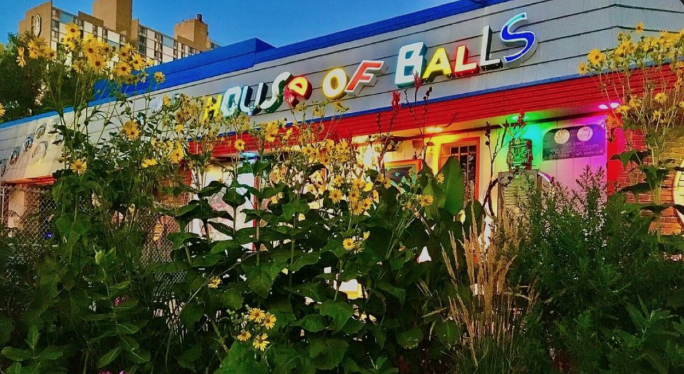
Artist Allen Christian has spent 30 years transforming his studio into a living sculpture garden. Animated creatures made from bowling balls, pressure cookers, and chicken feet greet you at the door. Some sculptures talk. Others move on their own. It feels less like a museum and more like stepping into someone's fever dream. Christian himself is usually there, tinkering with a new creation or explaining how he brings inanimate objects to life. The space is cluttered, chaotic, and absolutely magical. Most locals have never heard of it, despite being open since the '90s.
1504 S 7th StMinneapolis, MN 55454
612-332-3992Mon-Sat noon-4pm (call ahead recommended)
Free (donations encouraged)
3
Wabasha Street Caves
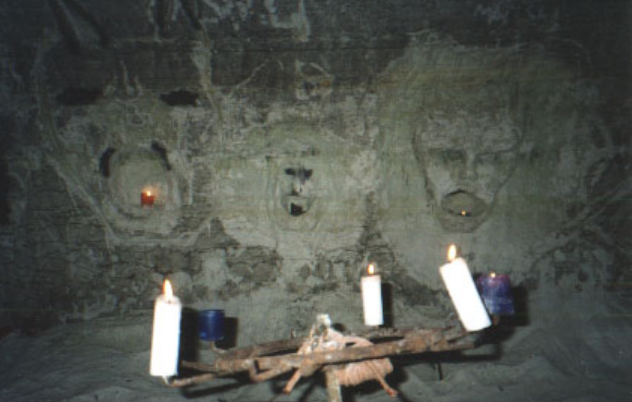
These sandstone caves have had many lives: 1840s mushroom farm, Prohibition speakeasy (allegedly frequented by Ma Barker, John Dillinger, and other gangsters), 1930s nightclub called Castle Royal, and now an event space. The caves stay a constant 52°F year-round. Every Thursday night, they host swing dancing in the main cavern — live bands, lessons for beginners, and an atmosphere you genuinely cannot replicate anywhere else. The guided cave tours tell stories of bootleggers, murder, and the gangster era of St. Paul when the city had a corrupt "O'Connor Layover Agreement" that gave criminals safe haven.
Sponsored Pick
Advertisements help support our content
4
The Bakken Museum
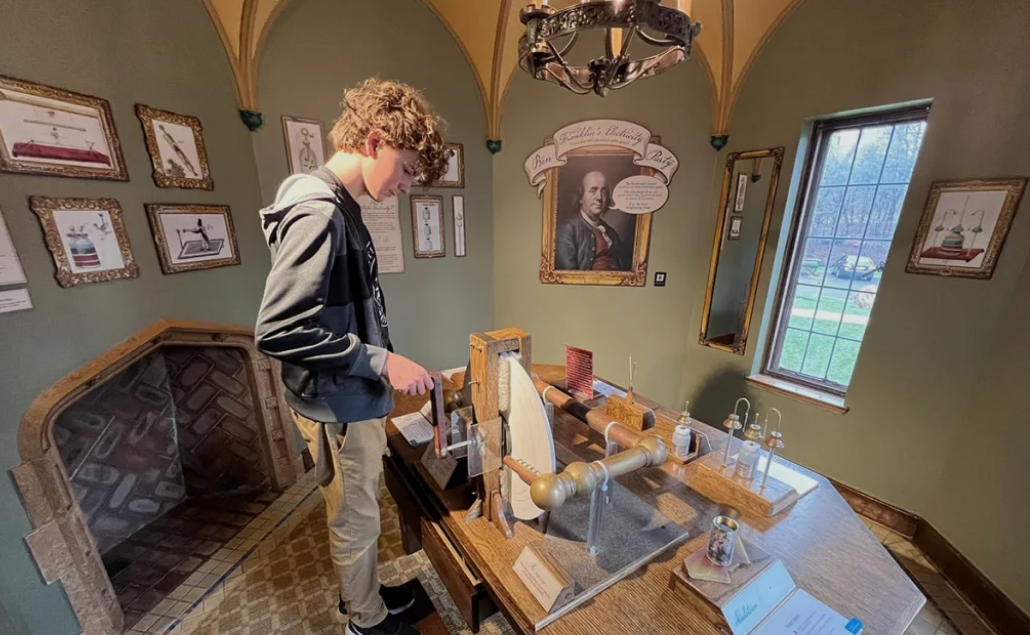
The only museum in the world devoted to medical electricity. Earl Bakken (co-founder of Medtronic, inventor of the wearable pacemaker) created this tribute to the intersection of electricity and life. The collection includes antique electro-therapy devices from the 1800s, a Victorian-era belt designed to stimulate genitals with electricity (for "vitality"), and interactive exhibits where you can make your hair stand on end with static. Kids love "Frankenstein's Laboratory" and "Ben Franklin's Electricity Party." Adults are quietly horrified by how much quackery passed for medicine. The museum sits on the west shore of Bde Maka Ska in a Tudor mansion, which adds to the surreal atmosphere.
3537 Zenith Ave SMinneapolis, MN 55416
WebsiteTue-Sun 10am-4pm (closed Mon)
$14 adults, $1 limited income
5
James J. Fiorentino Cuckoo Clock Museum
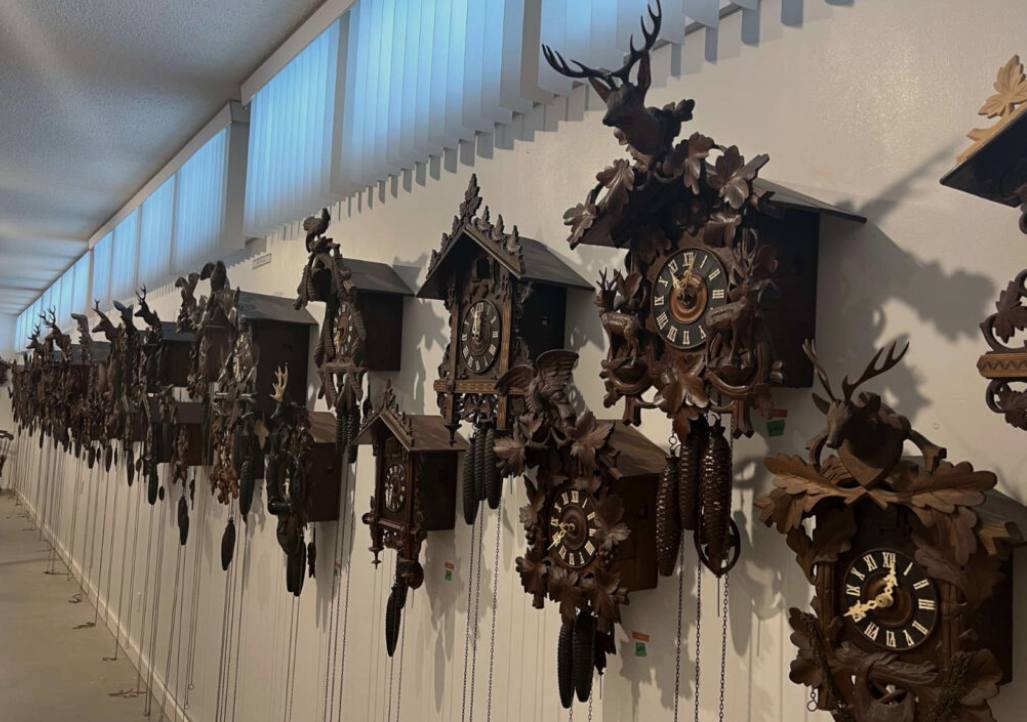
James Fiorentino spent decades amassing the world's largest collection of German Black Forest cuckoo clocks — over 800 of them. When he passed away in 2021, he left instructions: open the collection to the public, free of charge, forever. Now his North Loop home is a surreal museum where every wall is covered in clocks. Every hour, hundreds of mechanical birds emerge simultaneously. The collection also includes vintage record players, pipe organs, polished Lake Superior agate spheres, and WWII memorabilia. Tours are by reservation only, and Fiorentino's widow runs them personally. It's like visiting someone's eccentric grandfather's attic, if that grandfather was obsessed with precision timekeeping.
North Loop neighborhood (specific address provided upon reservation)
By reservation only
Free (per Fiorentino's wishes)
6
Twin City Model Railroad Museum
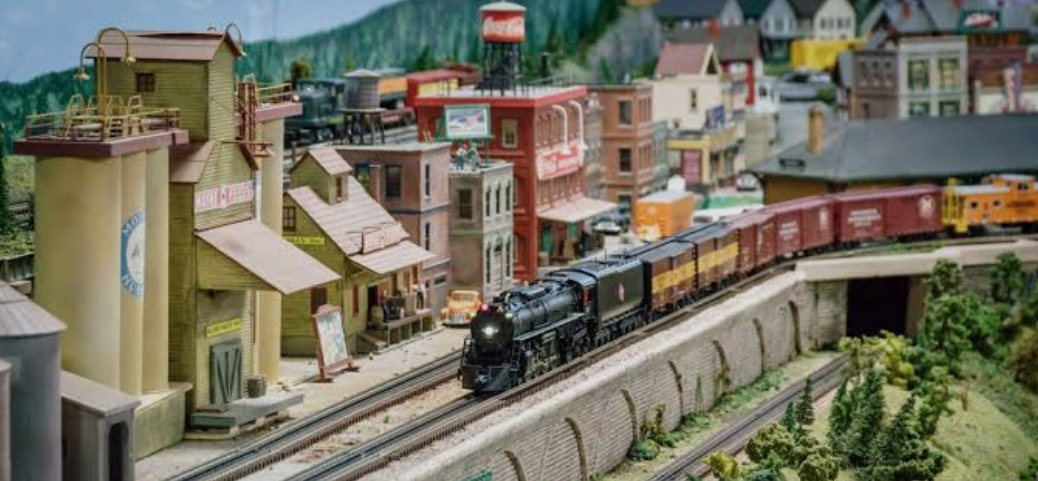
12,000 square feet of operating model railroads, built lovingly by volunteers over 75+ years. Multiple scales, multiple eras, including detailed recreations of historic Twin Cities rail lines. The real magic happens during "Night Trains" events (November-February) when the lights go down and the miniature cities glow. It's mesmerizing for kids and adults alike, though adults tend to stay longer. The museum is tucked in an industrial area between the downtowns, so most people have no idea it exists. Run entirely by volunteers who genuinely love explaining the history of every tiny building.
668 Transfer RdSuite 8, St. Paul, MN 55114
WebsiteMon & Fri 10am-3pm, Sat 10am-5pm, Sun 12pm-5pm
$10 adults, $5 children; Night Trains $15
Sponsored Pick
Advertisements help support our content
7
Smallest Museum in St. Paul
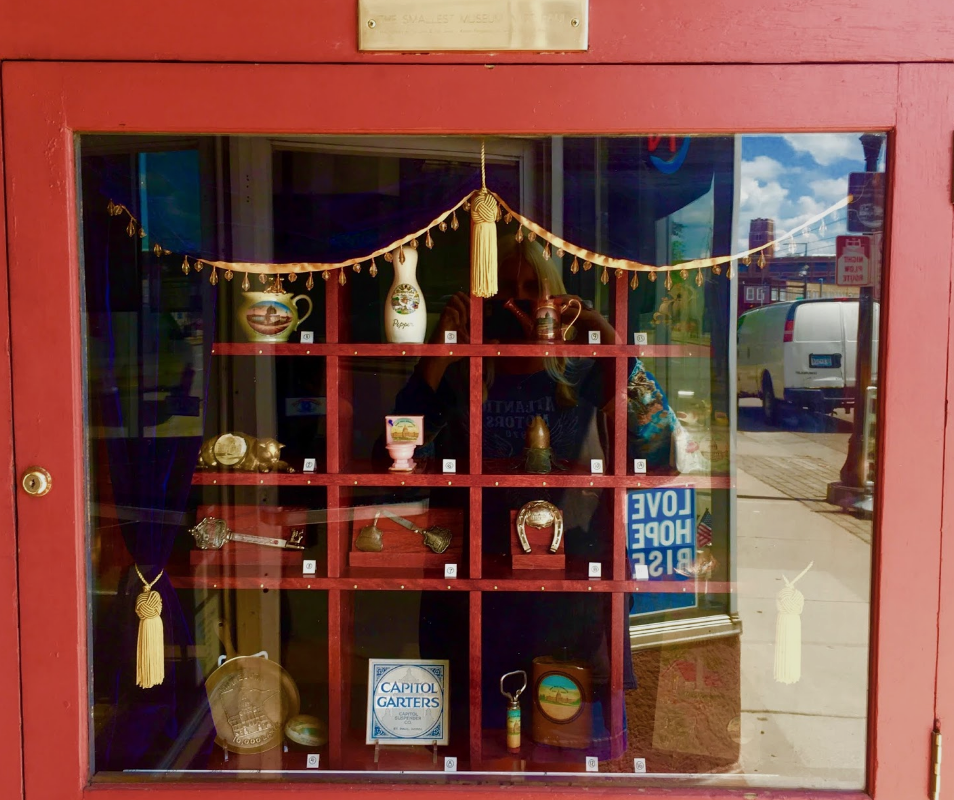
A 3ft x 2ft micro-museum built into a vintage fire-hose cabinet outside Workhorse Coffee Bar. It is a love letter to hyperlocal culture and proof that a curator doesn’t need a marble hallway to be relevant. Each month, a different local artist fills the cabinet with miniature exhibitions—past shows include "Lost Mittens of St. Paul," "Things I Found Under My Porch," and matchbook art. It is the architectural equivalent of a secret handshake for the neighborhood's creative class.
8
International Market Square Double Helix Staircase
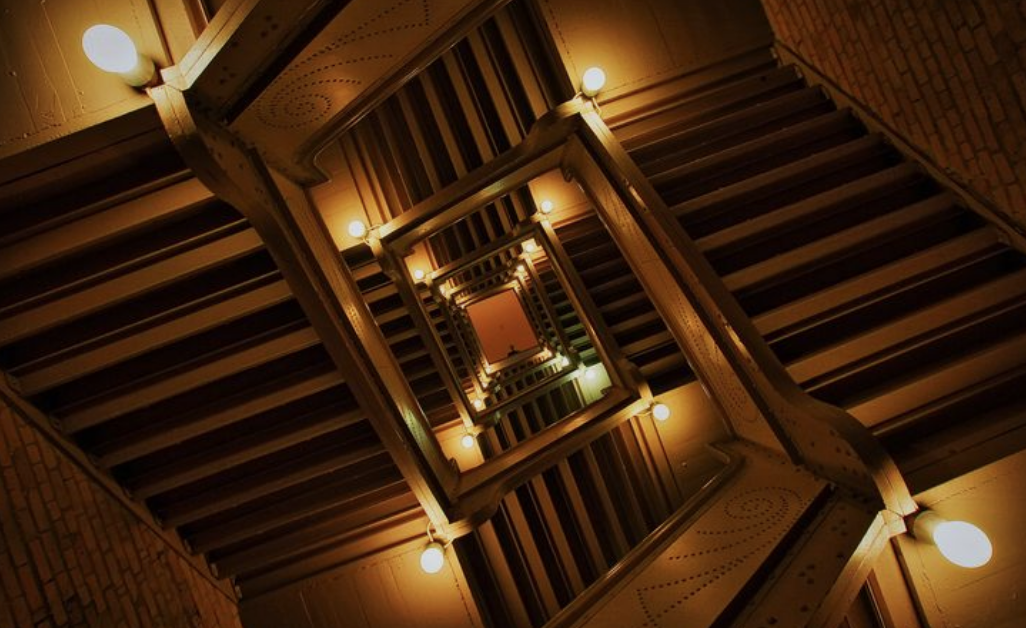
The first and largest double helix staircase in the United States, built in 1905 for the Munsingwear underwear factory. Two spiral staircases twist around each other, allowing workers on different shifts to pass simultaneously without ever crossing paths. It's an architectural marvel that almost nobody knows about. The building is now home to interior design showrooms, and the staircase is tucked at the far end near Lyndale Avenue. You can view floors 1-4 without issue, though some designers working in the building will let you climb higher if you ask nicely.
9
Witch's Hat Water Tower
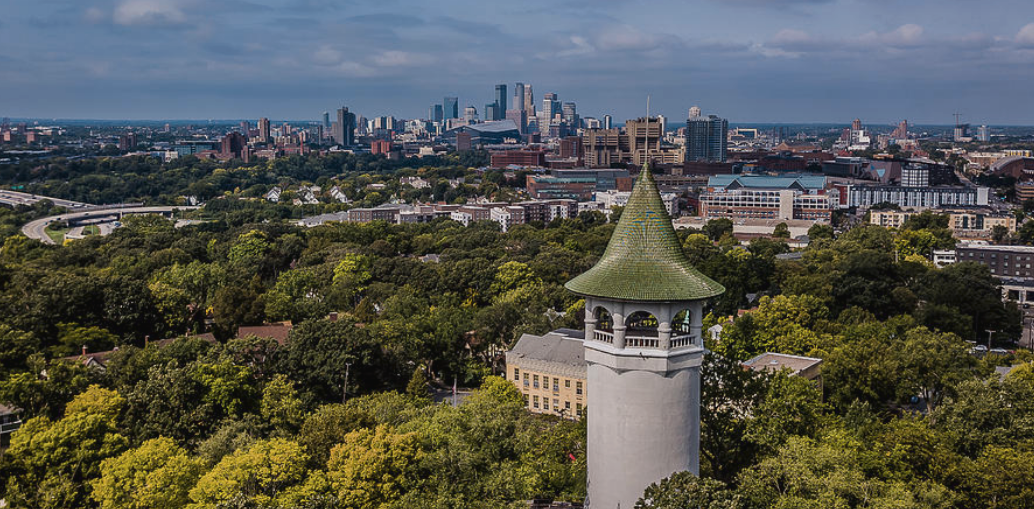
Perched on the highest natural point in the city, this 1913 water tower looks like it was teleported from a Grimm brothers’ fairy tale. It is exactly what the name suggests: a conical, stone-wrapped "witch's hat" that serves as a landmark for the Prospect Park neighborhood. The observation deck offers the best 360-degree view in Minneapolis, but there’s a catch: it is only open one day a year (the first Friday after Memorial Day). Locals treat it like a secular holiday, camping out for the rare chance to climb the 117 steps to the top.
55 SE Malcolm AveMinneapolis, MN 55414
WebsiteOpen ONE day per year (first Friday after Memorial Day)
Free on open day
Sponsored Pick
Advertisements help support our content
10
Trylon Cinema

Hidden behind Wildflyer Coffee in an old warehouse, the Trylon is a 90-seat nonprofit microcinema showing repertory films on actual 16mm and 35mm film prints. Voted best theater in the Twin Cities, it specializes in forgotten B-horror, kung fu classics, rare documentaries, and cult films you'd never find on streaming. The vibe is "fantasy-noir scrappy theater" — velvet curtains, film posters everywhere, and an audience that genuinely loves cinema. Showtimes are sporadic and announced via their website and social media. If you're nostalgic for video store discovery, this is your church.
2820 E 33rd StMinneapolis, MN 55406
WebsiteCheck website for showtimes
$10 per screening (membership available)
11
Eloise Butler Wildflower Garden

In 1907, a Minneapolis botany teacher named Eloise Butler convinced the park board to set aside three acres of bog, meadow, and hillside as a "Wild Botanic Garden"—the first public wildflower garden in the United States. She tended it as a volunteer for four years before becoming its first paid curator at age 60. Over the next 25 years, she expanded it to 18 acres, catalogued over 500 species, and taught free botany classes to anyone who showed up. She died in 1933 on her way to work at the garden; her ashes were scattered there. Today, the garden she built contains over 600 native plant species, hosts 130+ bird species, and receives 60,000 visitors a year—yet most Minneapolis residents have never been. Boardwalks wind through wetlands, prairies, and old-growth woods that feel hours from the city. Spring brings trilliums and bloodroot; summer, wild orchids; fall, blazing color. It's a living monument to one woman's obsession with preserving what Minnesota looked like before we paved it.
12
Marshall Terrace Heron Rookery

A great blue heron nesting colony on small Mississippi River islands, visible from Marshall Terrace Park in Northeast Minneapolis. Late March through summer, you can watch herons build nests, raise chicks, and fish in the shallows. Bring binoculars and walk down the 20 riverbank steps for a closer view. The National Park Service hosts a "Welcome Back the Herons" celebration each March when they return from migration. It's one of those magical urban nature spots that feels miles from the city, even though you're minutes from downtown.
2740 Marshall St NEMinneapolis, MN 55418
WebsiteFree year-round; herons present late March-summer
Free
Sponsored Pick
Advertisements help support our content
13
Ingebretsen's
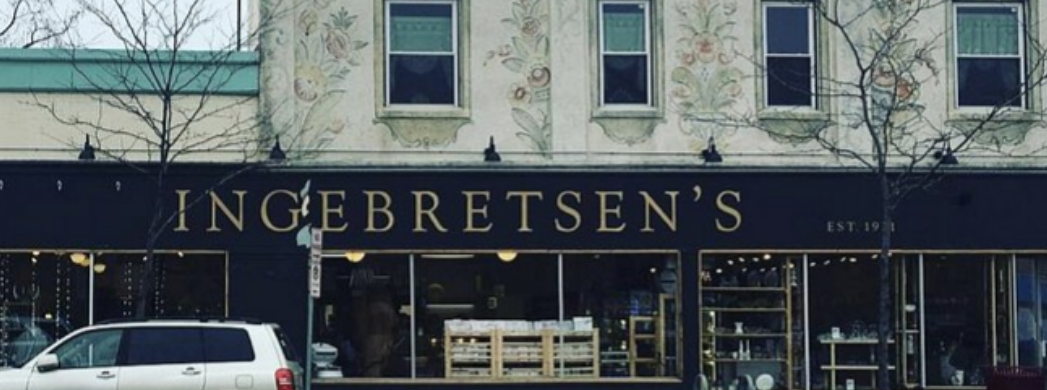
For over a century, Ingebretsen's has been the heart of Minneapolis's Scandinavian community. This is where you find lefse (Norwegian flatbread) made fresh, Swedish meatball mix from the butcher counter, lingonberry jam, and lutefisk for the adventurous. The gift shop carries traditional rosemaling, Dala horses, and wool sweaters from Norway. Minnesota and Wisconsin have more people of Norwegian and Swedish descent than anywhere outside Scandinavia, and this store is their cultural anchor. Around Christmas, the lines for holiday specialties stretch out the door.
14
The Herbivorous Butcher
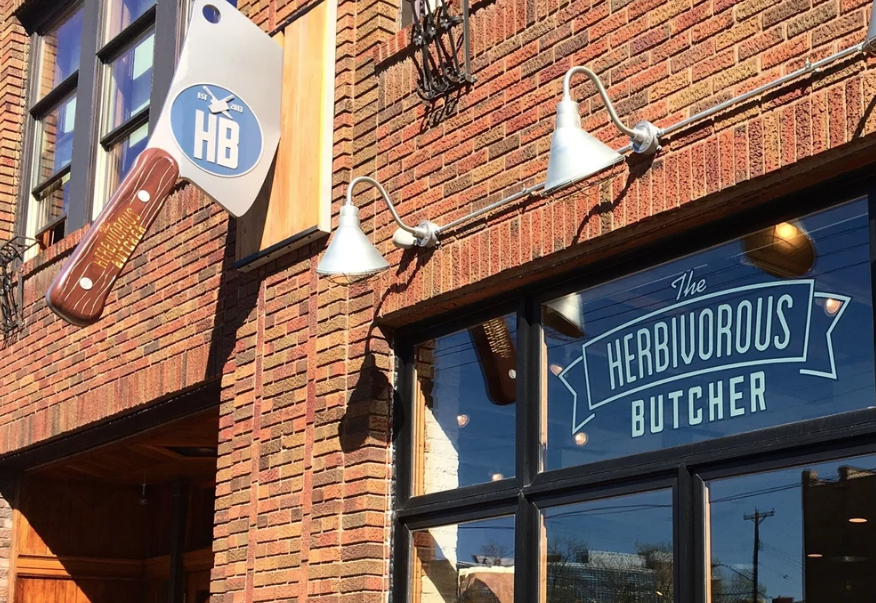
The nation's first all-vegan butcher shop. Plant-based "meats" and "cheeses" displayed exactly like a traditional butcher case: Italian "sausages," smoked "ribs," deli "meats," and artisan "cheeses." The concept seems contradictory, which is part of the charm. Siblings Aubry and Kale Walch (yes, really, Kale) opened it in 2016 and it became a cult hit. Even meat-eaters admit the products are shockingly good. The shop is in Northeast Minneapolis, slightly off the main tourist path, so locals-in-the-know make pilgrimages for the "Korean BBQ ribs."
507 1st Ave NEMinneapolis, MN 55413
WebsiteTue-Sat 10am-5:30pm, Sun 11am-4pm (closed Mon)
$$ (specialty products)
Stay curious
New stories and hidden gems delivered to your inbox.
No spam. Unsubscribe anytime.
Explore More
Discover more curated guides and local favorites.
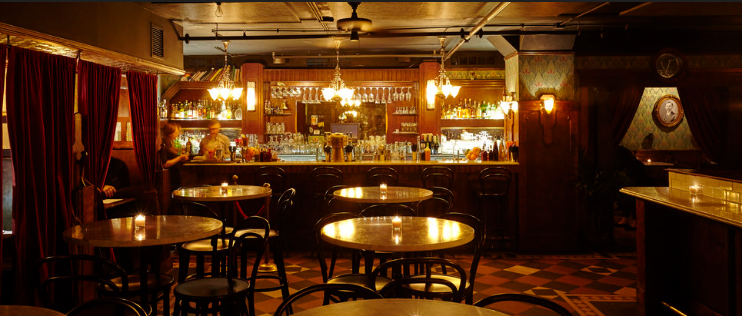
Minneapolis's Best Bars
Dive bars, cocktail lounges, and neighborhood favorites
Explore

Minneapolis's Best Coffee Shops
Local roasters, cozy cafes, and third wave spots
Explore

Minneapolis's Best Restaurants
From fine dining to hidden gems and local favorites
Explore

Minneapolis's Dark History
Unsolved mysteries and darker chapters
Explore
Minneapolis's Curiosities
Fascinating facts and surprising stories
Explore
Minneapolis's Lost Minneapolis
Beloved places we miss
Explore
Denver Best Bars
Dive bars, cocktail lounges, and neighborhood favorites
Explore
Denver Best Restaurants
From fine dining to hidden gems and local favorites
Explore
Know something we missed? Have a correction?
We'd love to hear from you