When Mary Lou Gulley was a little girl in Seattle, she loved building sandcastles with her father at Alki Beach. Every time the tide came in and washed her creations away, she cried. Her father would comfort her. One day, he promised, he'd build her a real castle — one big enough to live in, on the desert where there was no water to wash it away.
Then, in 1927, her father disappeared. Mary Lou was three years old. Her mother had no explanation. One day he was there; the next he was gone. For the next eighteen years, they heard almost nothing from him. A few postcards from Arizona. No address. No visits. Just silence.
When Mary Lou was twenty-two, she learned her father had died — and that he'd left her something. At the foot of South Mountain, seven miles south of downtown Phoenix, Boyce Luther Gulley had built his daughter a castle.
The Diagnosis
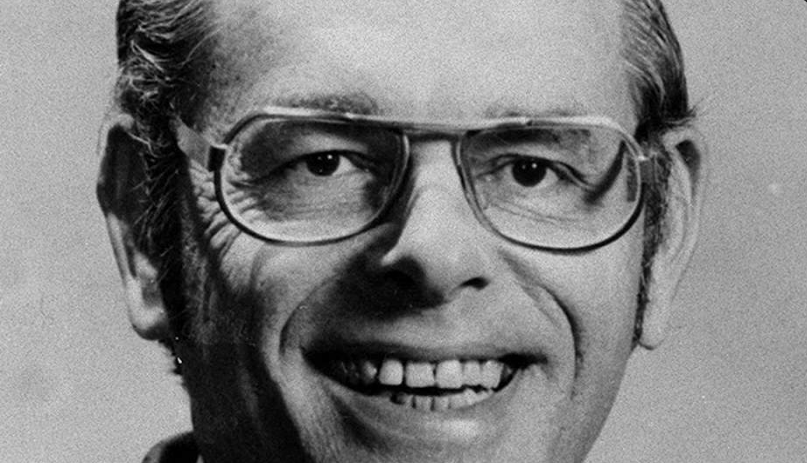
Boyce Gulley was born in Arkansas in 1883 and worked as a traveling shoe salesman for the Buster Brown company. By the mid-1920s, he'd settled in Seattle with his wife Frances and their daughter Mary Lou. By all accounts, he adored his little girl.
In 1927, Gulley received a diagnosis: tuberculosis. At the time, it was essentially a death sentence. Patients wasted away over months or years, often infecting their families in the process. There were sanitariums where you could go to die slowly, surrounded by other dying people.

Gulley made a decision that would haunt his family for nearly two decades. Rather than drag his wife and daughter through the agony of watching him die — and risk infecting them — he vanished. He left Seattle in the night without explanation, without goodbye, without telling them where he was going or why.
"Dearest Mary Lou: Can you forgive me? It wasn't art I wanted, it was you. I left home not because I wanted freedom but because I had tuberculosis."
— Boyce Gulley, Letter to his daughter found in the trapdoor
The Desert
Gulley ended up in Phoenix. Since territorial times, Arizona's dry heat had drawn tuberculosis sufferers — "lungers," locals called them — hoping the desert air would cure them. Many died anyway. Some survived. Gulley was one of the survivors.

In 1930, he purchased an 80-acre mining claim at the base of South Mountain, adjacent to the city dump. He was living in an abandoned boxcar. He had almost no money. And he started building.
He remembered his daughter's tears when the waves washed her sandcastles away. He remembered his promise. And there in the Arizona desert, where there was no tide and no water, Boyce Gulley began constructing a castle for the little girl he'd abandoned.
The Castle
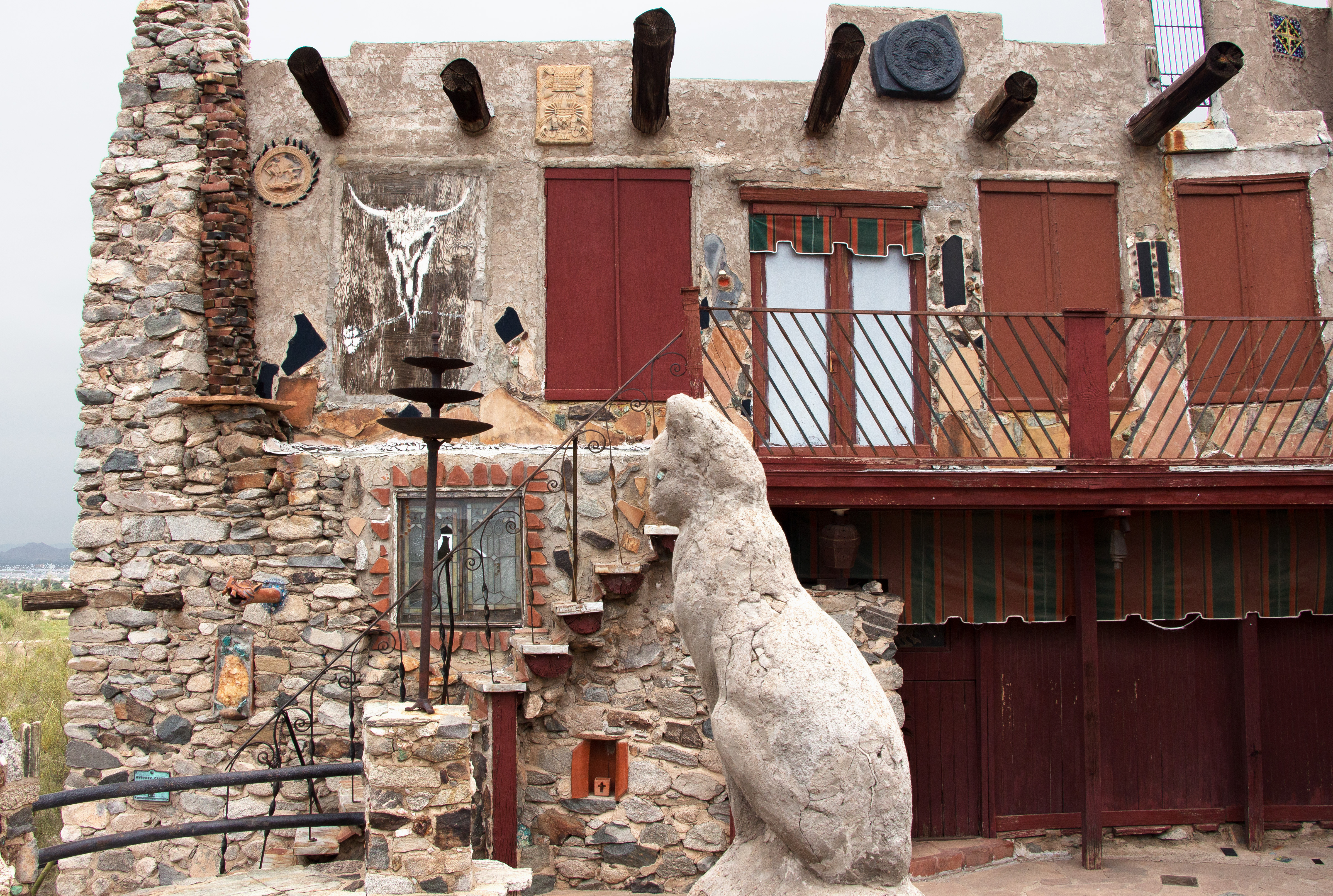
Mystery Castle defies description. It's 8,000 square feet, with 18 rooms, 13 fireplaces, a chapel, a cantina, and a dungeon. It has three stories, multiple patios, and twisting corridors that seem to follow no plan — because there wasn't one. Gulley built it by hand, without blueprints or permits or formal training, over fifteen years.
He built it from garbage.
Living next to the city dump, Gulley salvaged everything. Telephone poles became ceiling rafters. Railroad ties and tracks from abandoned mines became structural supports. The windshield from his 1929 Stutz Bearcat became a kitchen vent; the car's wheels and headlights became windows. Wagon wheels were embedded in walls. Depression-era Pyrex dishes — bought at a swap meet for $7.50 — were set into floors and ceilings in place of glass blocks.
Building Materials
Mystery Castle is held together with a mixture of mortar, cement, calciumite, and goat's milk. Gulley used adobe, thousands of rocks, salvaged bricks, rejected lumber, spent ammunition casings, coal clinkers, and saguaro cactus skeletons. Old schoolroom blackboards became slate flooring. Nearly everything was recycled or repurposed.
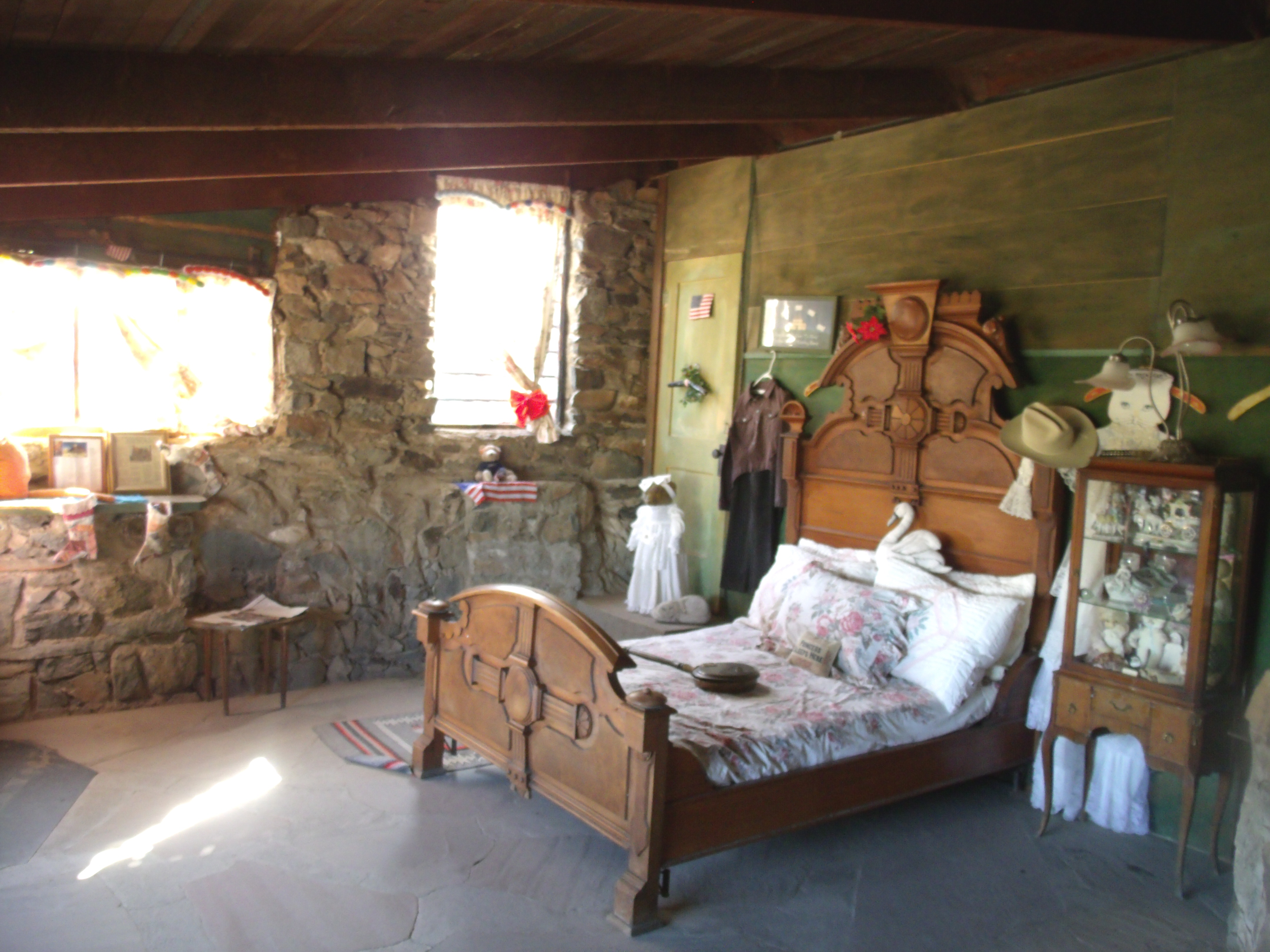
The result is something between a fever dream and a fairy tale — a sprawling, eccentric, impossible structure that looks like it grew from the desert floor. Every room contains artifacts and oddities. Secret passages connect unexpected spaces. The whole thing feels like the physical manifestation of a dying man's love for his daughter.
The Trapdoor
Boyce Gulley died of cancer in 1945, at age sixty-two. He'd outlived his tuberculosis diagnosis by eighteen years. He'd spent fifteen of those years building a castle for a daughter he hadn't seen since she was three.
When the notification reached Seattle, Mary Lou and her mother learned for the first time where he'd been all those years — and what he'd built. They traveled to Phoenix to see it.
The inheritance came with a condition. In the basement, Gulley had built a room called "Purgatory," with a trapdoor in the floor. His will specified that Mary Lou was not to open it until January 1, 1948. She had to live in the castle until then.
Mary Lou honored her father's last wish. She moved into Mystery Castle with her mother. For nearly three years, she lived above a sealed chamber, wondering what her father had left behind.
The Treasure
On January 1, 1948, with her mother and a reporter from Life magazine watching, Mary Lou Gulley opened the trapdoor and descended nine feet into the hidden chamber. What she found changed how she understood her father forever.
There was gold — small amounts from the old mining claim. There was cash. There were letters, explaining everything: why he'd left, why he'd stayed away, how much he'd loved her. There was a photograph of himself, taken days before his death, so she'd know what he looked like as an old man.
And there was a Valentine's Day card — creased, faded, but carefully preserved. Mary Lou had made it for her father when she was two years old, just before he disappeared. He'd kept it for eighteen years. He'd built a castle around it.
"He told me... one day he would build me a castle big enough to live in, where there was no tide to wash it away."
— Mary Lou Gulley, Recalling her father's promise
The Princess
Life magazine's story made Mystery Castle famous. Tourists began showing up, wanting to see the strange castle the dying man had built for his daughter. Mary Lou and her mother started giving tours.

After her mother died in 1970, Mary Lou kept going. She never married. She never moved away. She lived in Mystery Castle for sixty-five years, giving tours almost until the day she died on November 3, 2010. She was the princess her father had always promised she'd be, living in the castle he'd built to keep that promise.

Visitors who met Mary Lou in her later years remember a gracious, eccentric woman who seemed to genuinely enjoy sharing her father's creation. She'd learned every secret passage, every hidden compartment, every story embedded in the walls. The castle was her father's love letter; she spent her life reading it aloud.
The Threat

Mystery Castle is now maintained by a nonprofit foundation. It remains one of Phoenix's most unusual landmarks — designated a "Phoenix Point of Pride" and listed on the National Register of Historic Places. Tours are still offered. The castle still stands.
But the future is uncertain. In March 2022, vandals broke in and caused an estimated $100,000 in damage. No arrests were made. More troublingly, in 2023, the foundation that manages the property applied for a demolition permit. The city's Historic Preservation office denied it — but only for one year.
Endangered
In 2025, Mystery Castle was named to the National Trust for Historic Preservation's list of America's 11 Most Endangered Historic Places. The foundation cites maintenance costs and declining tourism. The castle that took fifteen years to build could be demolished if funding isn't secured.
The irony is bitter. Boyce Gulley built Mystery Castle so it would last — so his daughter would have something permanent, something the tide couldn't wash away. He used everything he had, salvaged everything he could find, and created something so strange and personal that it can't be replicated. Now it might be torn down because nobody can figure out how to pay for its upkeep.
At the base of South Mountain, seven miles from downtown Phoenix, there's an 18-room castle built from junk and goat's milk and a dying man's love for his daughter. It took fifteen years to build. The man who built it never saw his daughter again. She lived there for sixty-five years, showing strangers through the rooms, telling them about the father she barely remembered.
Somewhere in those walls, embedded in the mortar and telephone poles and Pyrex dishes, is a Valentine's Day card made by a two-year-old girl for a father who was about to leave forever. He built a castle to protect it. The waves never came. But something else might.
Visiting Mystery Castle
Mystery Castle is located at 800 E. Mineral Road, Phoenix, at the foot of South Mountain. Tours are offered Thursday through Sunday, October through May. Check the Mystery Castle Foundation website for current hours and admission. The castle is accessible only by guided tour.