1
Freakybuttrue Peculiarium

Artists Mike Wellins and Lisa Freeman planned to open a food truck in 2010. They pivoted to cryptozoology instead. The Peculiarium opened April 2011 with a 10-foot Bigfoot, alien autopsy exhibits, and walls hung with thrift-store landscapes that Wellins "improved" by painting in zombies, space monsters, and giant robots—a technique he calls NERC (Non-Elective Retroactive Collaboration). Closed 17 months during the pandemic, reopened July 2021, still selling jetpack bunnies and machine gun Bigfoot art.
2
Witch's Castle (Stone House)

A moss-strangled stone ruin in Forest Park, built by the WPA in the 1930s as a ranger station or restroom (nobody quite agrees). Not remotely a castle. The locals call it haunted. Teenagers use it for selfies. The 0.8-mile hike from Lower Macleay Trail is gentle enough for out-of-shape goths.
3
The Grotto (National Sanctuary of Our Sorrowful Mother)
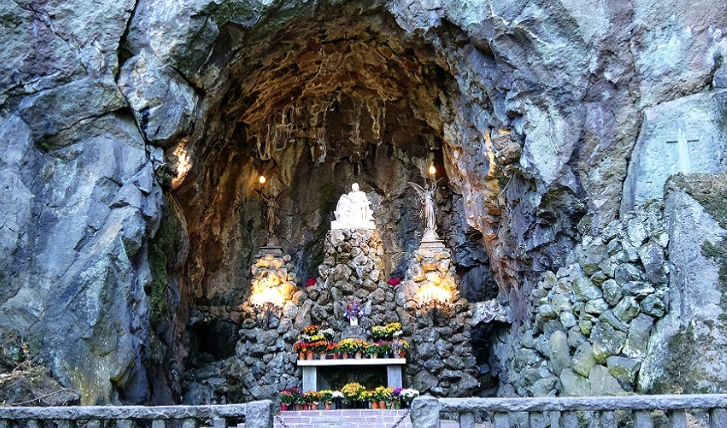
A 62-acre Catholic shrine where a cave carved into a cliff face opens onto botanical gardens perched 110 feet above street level. Nuns tend the grounds. Pilgrims light candles. Tourists wander through confused but respectful. The elevator to the upper gardens costs money; the lower grotto does not. The Columbia River views are legitimately stunning, which feels theologically appropriate.
8801 NE Skidmore StPortland, OR 97220
WebsiteDaily 9am-5pm (Chapel open until 8pm)
Free (Upper level gardens require admission)
Sponsored Pick
Advertisements help support our content
4
Portland Puppet Museum
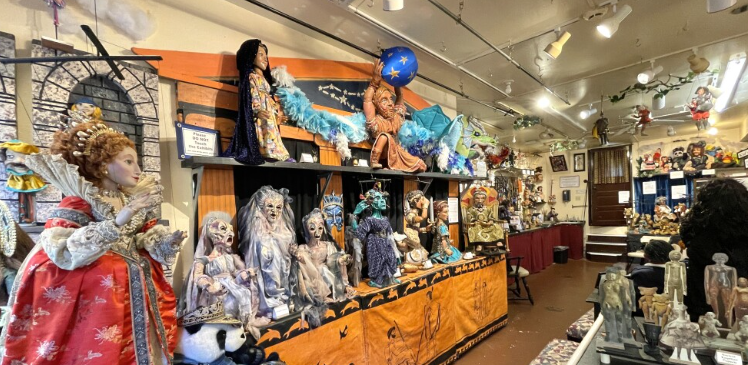
A warehouse converted into a shrine for global puppetry where marionettes dangle from rafters and shadow puppets share wall space with Indonesian wayang goleks. Run by volunteers who care deeply about string tension and cultural context. Workshops teach construction techniques. Performances happen in a 30-seat theater. The collection proves Portland will build a museum for literally anything if you're committed enough.
5
Lone Fir Cemetery - Block 14
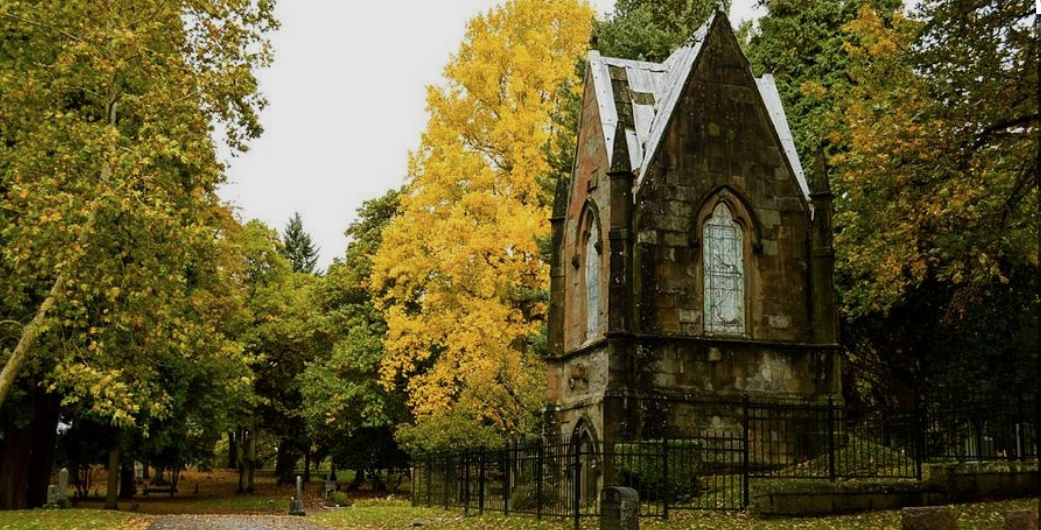
Hundreds of Chinese migrant laborers buried in unmarked graves, literally paved over in the 1950s and turned into an office building parking lot. Also contains 130+ mass graves of Oregon Hospital for the Insane patients (1861-1883). The area resembles an abandoned field with no markers. Memorial planned for 2026.
6
Willamette Stone
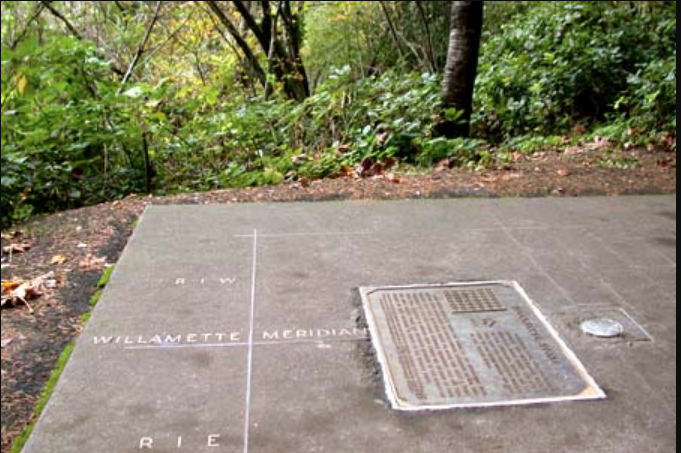
On June 4, 1851, Surveyor General John B. Preston hammered a red cedar stake into this hillside and declared it the origin point for every land survey in Oregon and Washington. Every property line, every section, every township—measured from this spot. The wooden stake became a stone obelisk in 1885. Vandals damaged it in 1951, 1967, and 1987. A stainless steel marker was installed in 1988. Now it sits in a tiny state park off Skyline Boulevard that most Portlanders drive past without knowing it anchors the entire regional grid system.
Sponsored Pick
Advertisements help support our content
7
Zymoglyphic Museum
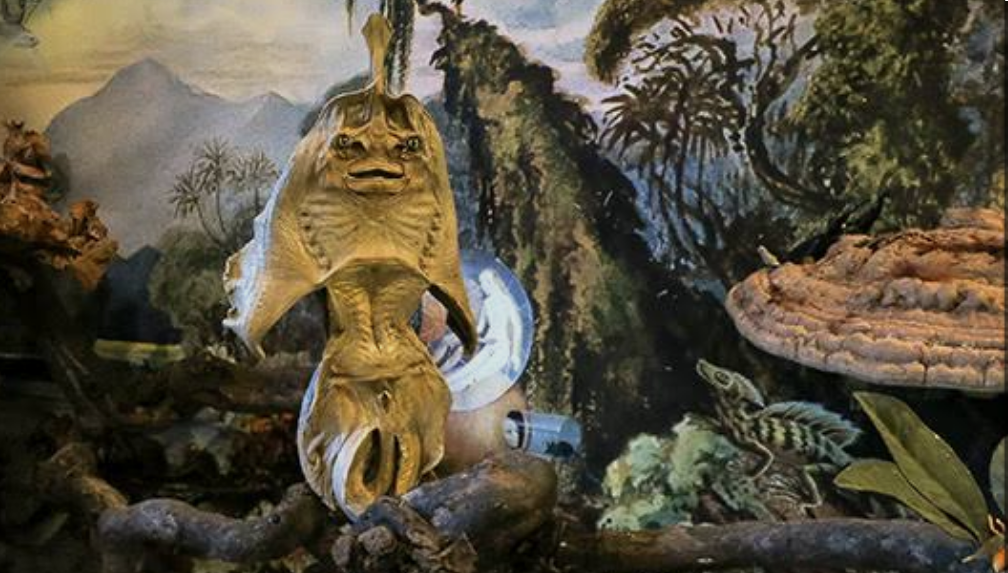
Artist Jim Stewart invented an entire geological epoch in 2000 and built a 400-square-foot museum above his garage to document it. "Zymoglyphic" means "images of fermentation" or "the solid residue of creative fermentation on natural objects," depending on whether Stewart is feeling poetic or specific. Driftwood becomes creatures. Skulls get mounted in Victorian taxidermy poses. Beach finds from his California childhood share space with his biology-teacher father's specimens. Maximum 6 visitors. Free admission. You email ahead. He shows you around. It's Mt. Tabor's most sincere fever dream.
8
Stark's Vacuum Museum
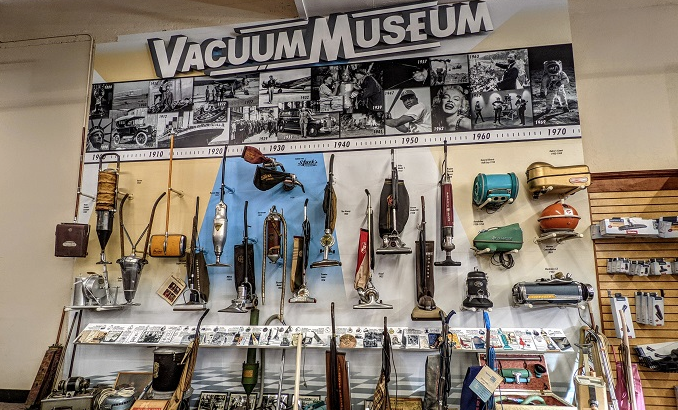
Hidden inside a working vacuum store is one of America's strangest museums: a 10x40 foot shrine to suction containing over 300 vacuum cleaners spanning 150 years. The collection includes a two-person hand-pumped Victorian model that required one person to work the bellows while another pushed, early electric models that cost more than a month's wages, and a complete evolution of Hoover's industrial dominance. The store itself has operated since 1932. The museum averages maybe a dozen visitors per month, which only adds to the appeal—you'll likely have a private docent tour from staff who know the history of every machine. Free admission, and they don't pressure you to buy a Dyson afterward.
9
Woodstock Mystery Hole
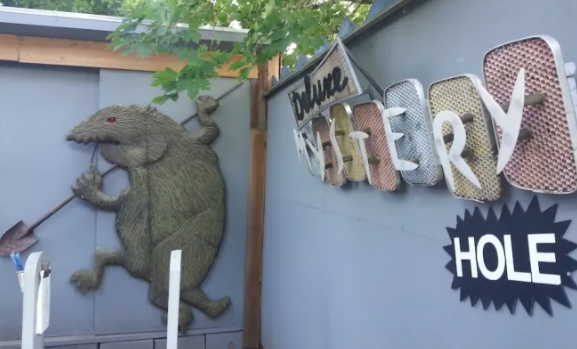
Run by "Pastor Barron" of the Universal Church O' Fun. Features "Black Obsidian Mirror of Higher Truth" portal and narrow tunnel that tapers to point. Exact location kept secret - requires polite email to arrange tour. Pure Portland absurdist whimsy.
Woodstock neighborhood (exact location revealed upon booking)
By email arrangement only
Donation requested
Sponsored Pick
Advertisements help support our content
10
Rimsky-Korsakoffee House
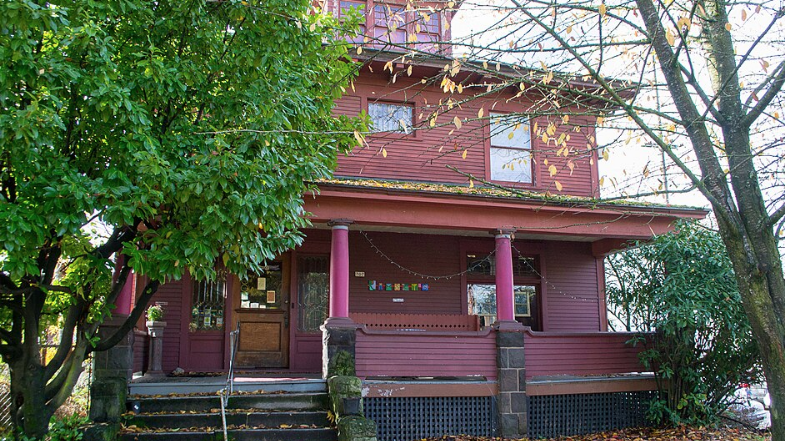
A 1902 Craftsman house with no exterior sign, buried in foliage, operating since 1980 as a coffee shop where the furniture is possessed. Tables named after dead composers slowly rotate, vibrate, tilt, and elevate while you eat dessert. The mechanism is deliberate—motors and gears beneath each table—but the effect is unsettling. Your tiramisu drifts out of reach. Your coffee cup migrates clockwise. Open only evenings, Wednesday through Sunday. Cash only. Very Portland.
11
Portland Troll Bridge
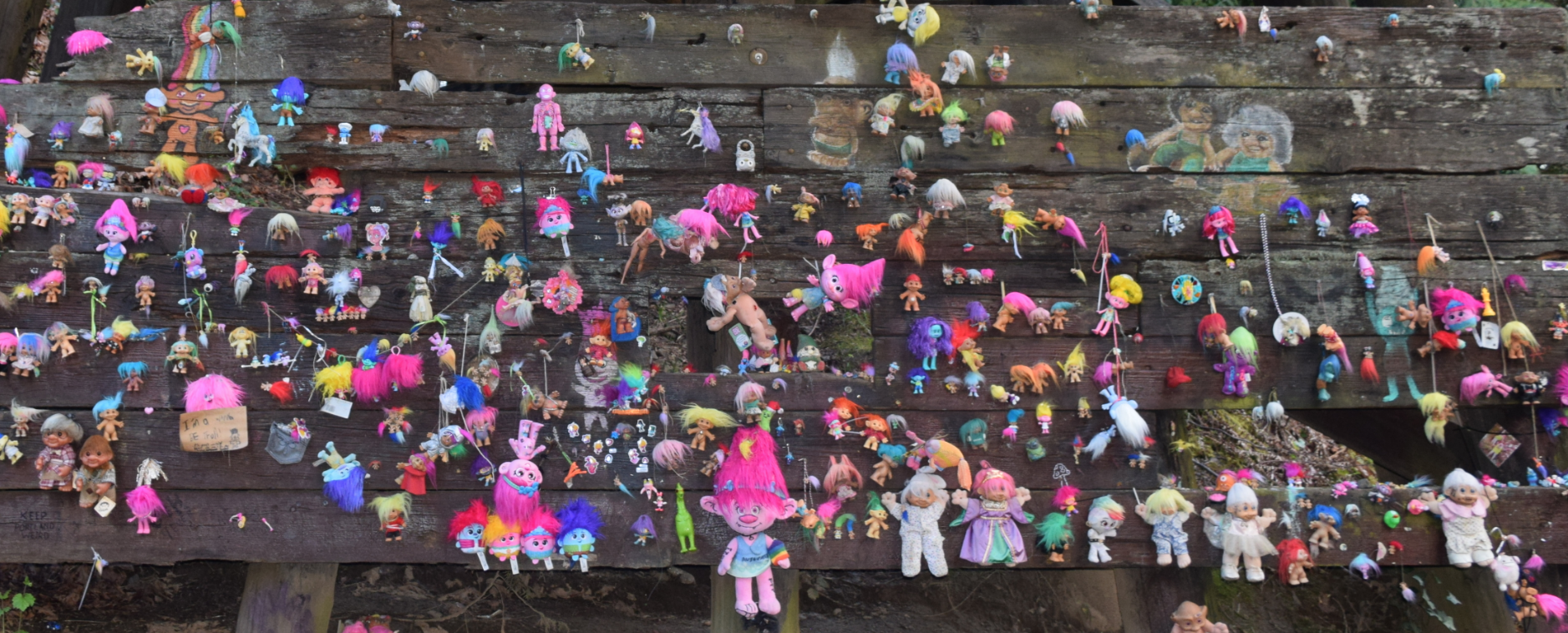
Somewhere around 2010, someone glued a plastic troll to the underside of an old railway trestle in northwest Portland. Then another appeared. Then dozens. Now there are hundreds—the little ones with the shock of colorful hair you remember from the '90s—colonizing every surface of this forgotten overpass. Nobody knows who started it or why it continues, but pilgrims still make the 15-mile trip from downtown to add their own. Seattle has its famous 18-foot concrete Fremont Troll. Portland has this: weirder, grassroots, and nobody's in charge. That feels right.
Stay curious
New stories and hidden gems delivered to your inbox.
No spam. Unsubscribe anytime.
Explore More
Discover more curated guides and local favorites.
Portland's Best Bars
Dive bars, cocktail lounges, and neighborhood favorites
Explore
Portland's Best Restaurants
From fine dining to hidden gems and local favorites
Explore
Portland's Best Coffee Shops
Local roasters, cozy cafes, and third wave spots
Explore

Portland's Dark History
Unsolved mysteries and darker chapters
Explore
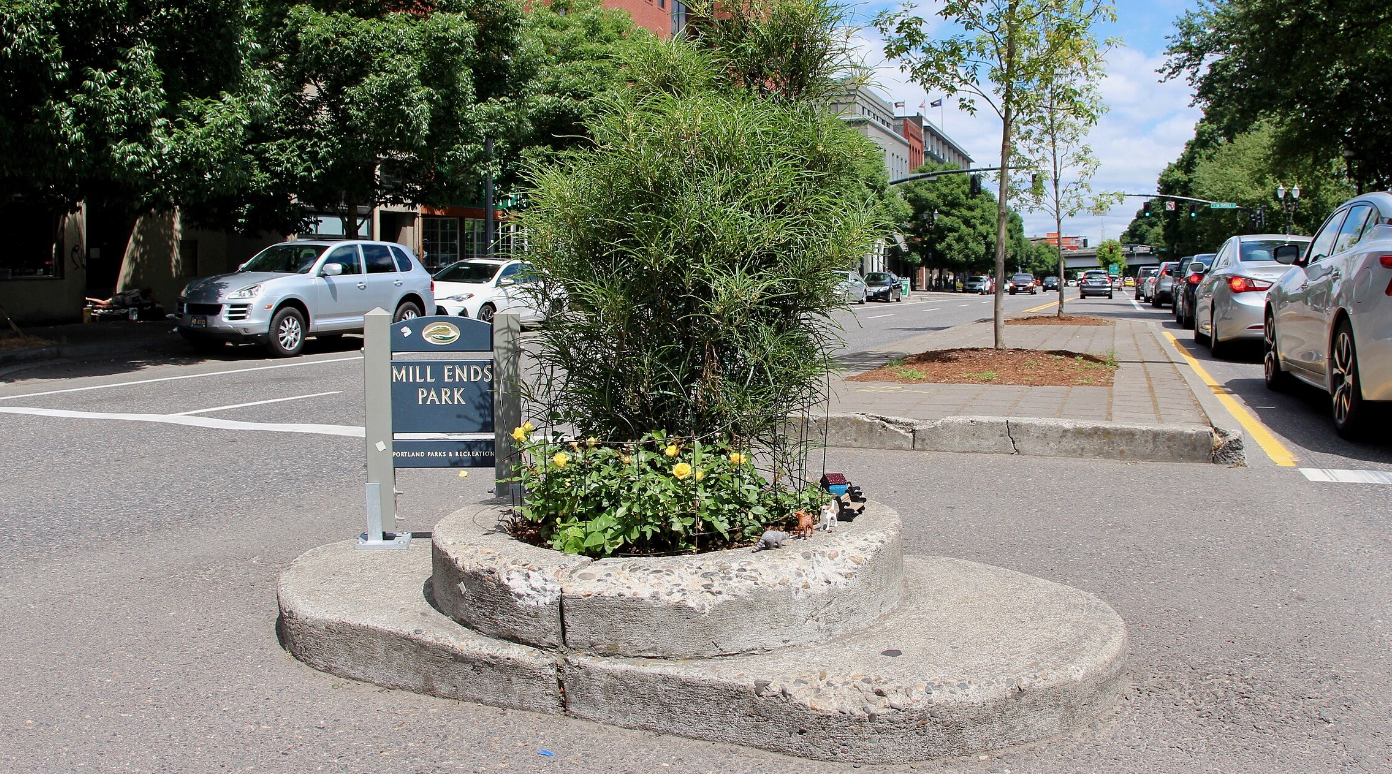
Portland's Curiosities
Fascinating facts and surprising stories
Explore

Portland's Lost Portland
Beloved places we miss
Explore
Raleigh Best Bars
Dive bars, cocktail lounges, and neighborhood favorites
Explore
Raleigh Best Coffee Shops
Local roasters, cozy cafes, and third wave spots
Explore
Know something we missed? Have a correction?
We'd love to hear from you