Memory of a City
The Grape, Lee Harvey's, Lakewood Theater, and the soul Dallas demolished for parking
Dallas tears down faster than it builds memory. In a city that worships the new, the old is disposable—unless you were there when it mattered. These were the restaurants where first dates turned into anniversaries, the bars where Oak Cliff found its voice, and the theaters that made neighborhoods feel permanent. The skyline keeps climbing. The stories keep disappearing.
1
The Grape
Lower Greenville
The Story
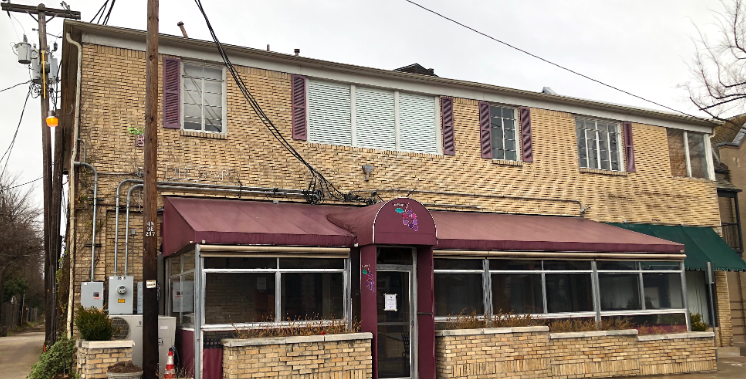
For 47 years, The Grape was the soul of Lower Greenville dining — a tiny bistro opened by two twentysomething women with zero restaurant experience who helped invent Dallas's modern culinary identity. The mushroom soup was legendary, the burger won Texas Monthly's "Best in Texas," and countless proposals and anniversaries unfolded in the dimly lit dining room.
Why It's Missed
The intimacy. The way it felt like your neighborhood's living room, even if you drove across town to get there. The consistency across nearly five decades.
"When we heard The Grape was closing, it felt like losing a family member. That place was where Dallas learned to love good wine and good food together." — D Magazine reader
Last Known Address
2808 Greenville Ave, Dallas, TX 752062
Highland Park Cafeteria
Casa Linda / East Dallas
The Story
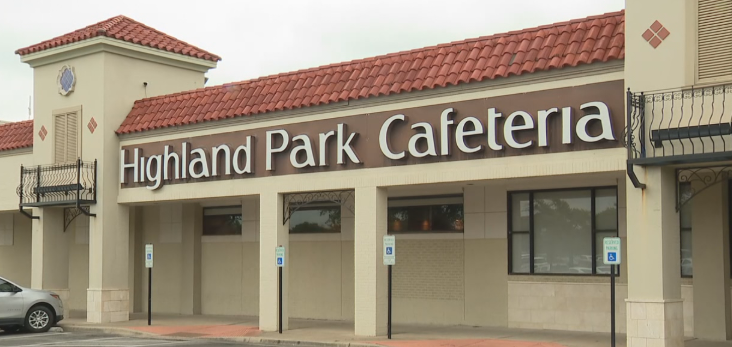
For 95 years, Highland Park Cafeteria served Texas comfort food to Dallas's rich and not-so-rich alike. The New York Times once called it "America's Cafeteria" and praised its egalitarian sensibilities — executives and working folks standing in the same line for the same chicken fried steak. At its peak, there were eight locations.
Why It's Missed
The democratic spirit of the cafeteria line. The cornbread. The pie. The owner's 932 secret recipes that he safeguarded when COVID forced the doors shut forever.
"Highland Park Cafeteria wasn't fancy, but that was the point. Everyone was equal in that line." — Dallas Observer
Last Known Address
1200 N Buckner Blvd, Dallas, TX 752183
Lizard Lounge
Swiss Avenue
The Story
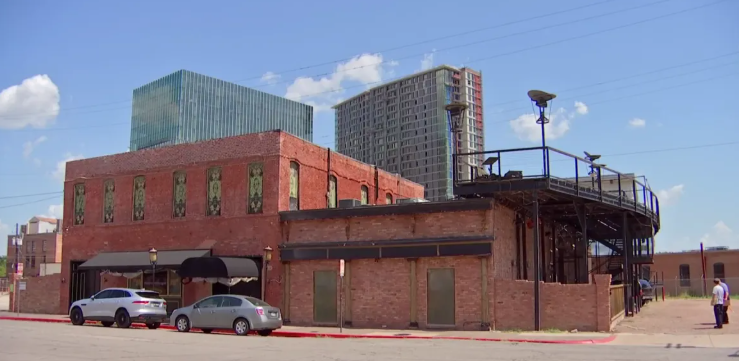
For 28 years, Lizard Lounge was a mecca for electronic music, goth culture, and anyone who felt like a misfit. The Church — its legendary Sunday industrial/goth night — helped rejuvenate the club and solidified Dallas's spot in dark subculture. Dennis Rodman and Madonna once showed up in a black Ferrari wanting to buy the place.
Why It's Missed
The community. Owner Don Nedler received hundreds of messages from people who met their spouses there, who found their tribe there. It was the living room for Dallas's weirdos.
"The Lizard Lounge never would've survived for 30 years without The Church. It was that night we needed to keep our doors open." — Don Nedler, owner
Last Known Address
2424 Swiss Ave, Dallas, TX 75204Sponsored Pick
Advertisements help support our content
4
Club Clearview
Deep Ellum
The Story
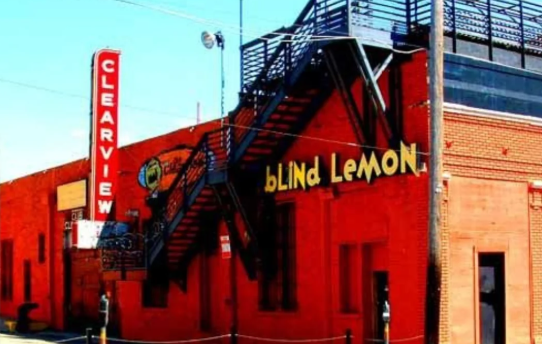
What started as a kegger in a warehouse by Mark Cuban and friends became Deep Ellum's cathedral. Club Clearview spread across 10,000 square feet with seven themed rooms — Club Clearview, Art Bar, Blind Lemon, The Red Room, and the rooftop deck. It birthed Edie Brickell and the New Bohemians, hosted the Red Hot Chili Peppers, and defined a generation.
Why It's Missed
The sheer variety — you could see a touring national act, catch a local band, and end up on the roof all in one night. Deep Ellum hasn't been the same since.
"Club Clearview was a cathedral that had something for everyone. Jawbreaker, System of a Down, Fugazi, Pavement, No Doubt — they all came through those doors." — Central Track
Last Known Address
2806 Elm St, Dallas, TX 752265
Curtain Club
Deep Ellum
The Story
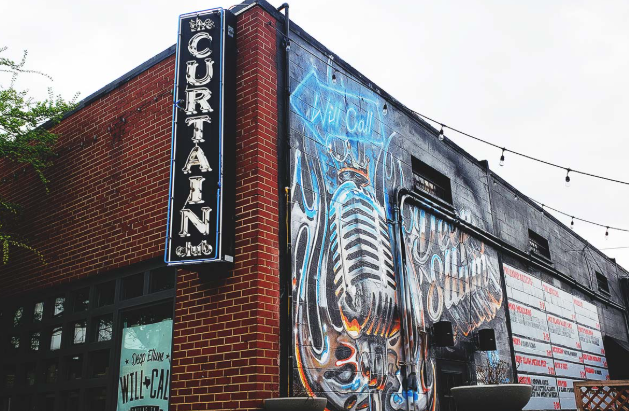
For 22 years, the Curtain Club held down the corner of Crowdus and Main, outlasting every other legacy venue in Deep Ellum. Its tradition of painting the monthly band schedule on the exterior wall in bold letters became part of the neighborhood's landscape. When it closed, Drowning Pool played an extended set while fans lined up outside the sold-out finale.
Why It's Missed
The constancy. While Trees closed and reopened, while Prophet Bar and The Door moved around, Curtain Club just kept being there. Until it wasn't.
"The neighborhood has been nothing but welcoming. But honestly, the neighborhood doesn't let us forget it." — New tenant on the former space
Last Known Address
2800 Main St, Dallas, TX 752266
Boulevardier
Bishop Arts
The Story
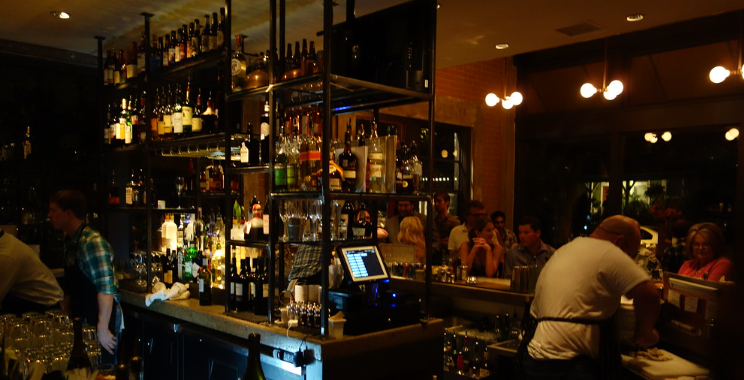
This French bistro in a 100-year-old Bishop Arts building became the neighborhood's anchor — a casual spot with flawless Friday happy hours (oysters $1 off, every wine bottle half price until 6:30). The Boulevardier Burger, Crawfish Beignets, and Wood-Grilled Oysters drew crowds for 12 years.
Why It's Missed
The atmosphere. The way it felt distinctly European yet utterly Oak Cliff. The bone marrow. That Friday happy hour.
"Boulevardier had a great ambiance and one of the better bone marrows in Dallas. Already missed as if it'd been gone for decades." — D Magazine commenter
Last Known Address
408 N Bishop Ave, Dallas, TX 75208Sponsored Pick
Advertisements help support our content
7
Lawry's The Prime Rib
North Dallas
The Story
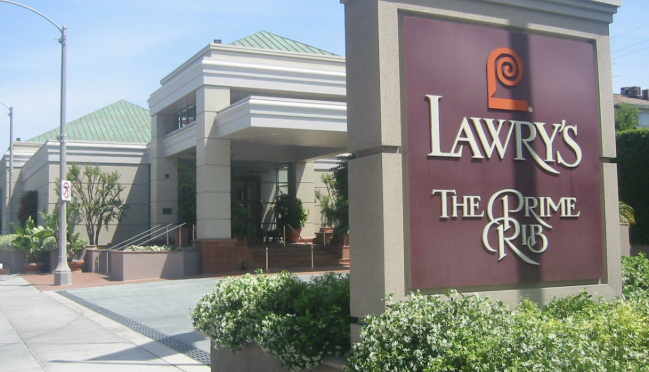
For 40 years, Lawry's was Dallas's temple of prime rib — carved tableside from gleaming silver carts, served with Yorkshire pudding and a spinning salad bowl. It was one of only three locations nationwide, a slice of Beverly Hills glamour transplanted to Texas that pioneered valet parking and doggie bags.
Why It's Missed
The ritual. The silver carts. The consistency across four decades. The way a meal there felt like an event, not just dinner.
"Lawry's brought a level of hospitality to Dallas dining that few have matched. When the building sold, a piece of the city's fine dining history went with it." — CultureMap Dallas
Last Known Address
14655 Dallas Pkwy, Dallas, TX 752548
Meddlesome Moth
Design District
The Story
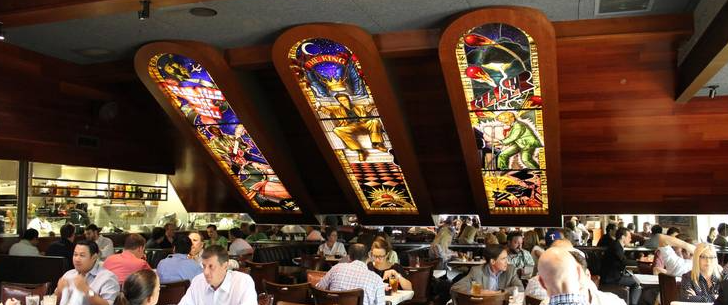
The Moth pioneered craft beer dining in Dallas before anyone else caught on. With 40 rotating taps and three massive stained glass windows rescued from Hard Rock Cafe depicting Elvis, Chuck Berry, and Jerry Lee Lewis, it anchored the Design District for 15 years. The World Atlas of Beer named it one of the best beer destinations in the world.
Why It's Missed
The beer selection. The mussels. The brunch. The way it made craft beer feel accessible, not snobbish. The Design District hasn't found its replacement.
"We simply can't afford to stay. I think local operators are slowly being forced out, economically." — Shannon Wynne, co-owner
Last Known Address
1621 Oak Lawn Ave, Dallas, TX 752079
Monica's Aca Y Alla / Maracas
Deep Ellum
The Story
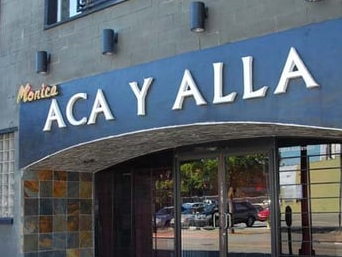
When Monica Greene opened her restaurant in Deep Ellum in 1992, the neighborhood was mostly music clubs. For 30 years under various names and owners, this corner of Main Street served Tex-Mex and Mexico City cuisine to generations of Deep Ellum crawlers. Monica herself became a pioneer of modern Mexican cooking in Dallas.
Why It's Missed
The staying power. Thirty years in Deep Ellum is practically eternal. The laid-back party atmosphere when the neighborhood was still rough around the edges.
"Monica's impact on Dallas's vibrant modern Mexican cooking culture is undeniable and indelible." — Dallas Observer
Last Known Address
2914 Main St, Dallas, TX 75226Sponsored Pick
Advertisements help support our content
10
Morton's The Steakhouse
Uptown
The Story
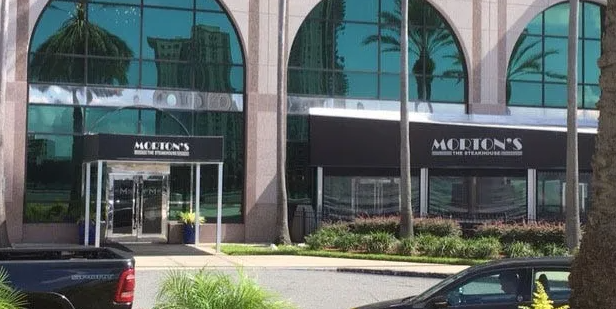
For nearly 40 years — first in the West End, then 24 years in Uptown — Morton's was Dallas's definitive power steakhouse. Generations of deals were sealed over porterhouses and creamed spinach. The news of its closing was the single most clicked food story in Dallas for 2025.
Why It's Missed
The institution of it. The leather booths, the massive steaks, the sense that you were eating where deals got done. Uptown lost its anchor.
"Morton's closing felt like the end of an era. It wasn't just a restaurant — it was where Dallas did business." — Dallas Morning News reader
Last Known Address
2222 McKinney Ave, Dallas, TX 75201Stay curious
New stories and hidden gems delivered to your inbox.
No spam. Unsubscribe anytime.
Explore More
Discover more curated guides and local favorites.
Dallas's Best Bars
Dive bars, cocktail lounges, and neighborhood favorites
Explore
Dallas's Best Coffee Shops
Local roasters, cozy cafes, and third wave spots
Explore
Dallas's Best Restaurants
From fine dining to hidden gems and local favorites
Explore
Dallas's Dark History
Unsolved mysteries and darker chapters
Explore
Dallas's Curiosities
Fascinating facts and surprising stories
Explore
Dallas's Hidden Gems
Secret spots and local treasures
Explore
Dallas's Lost & Loved
Beloved places we miss
Explore
Colorado Springs Best Bars
Dive bars, cocktail lounges, and neighborhood favorites
Explore
Know something we missed? Have a correction?
We'd love to hear from you