In 1893, a wealthy New Yorker named Mrs. Van Ness stepped off the Northern Pacific train in Fargo, North Dakota. She checked into the Headquarters Hotel, left her bag in her room, walked to the courthouse, filed for divorce, appeared before a judge, and was granted a decree dissolving her marriage. The entire process took less than a day. By evening, she was back on a train heading east, legally single, her unhappy marriage officially over.

Mrs. Van Ness was not unusual. In the 1880s and 1890s, Fargo was the divorce capital of America — a dusty railroad town on the northern prairie where marriages from across the country and around the world came to die. The territory's laws were so lenient, the process so quick, that desperate spouses traveled thousands of miles to escape their unions. Fargo didn't judge. Fargo just signed the papers.
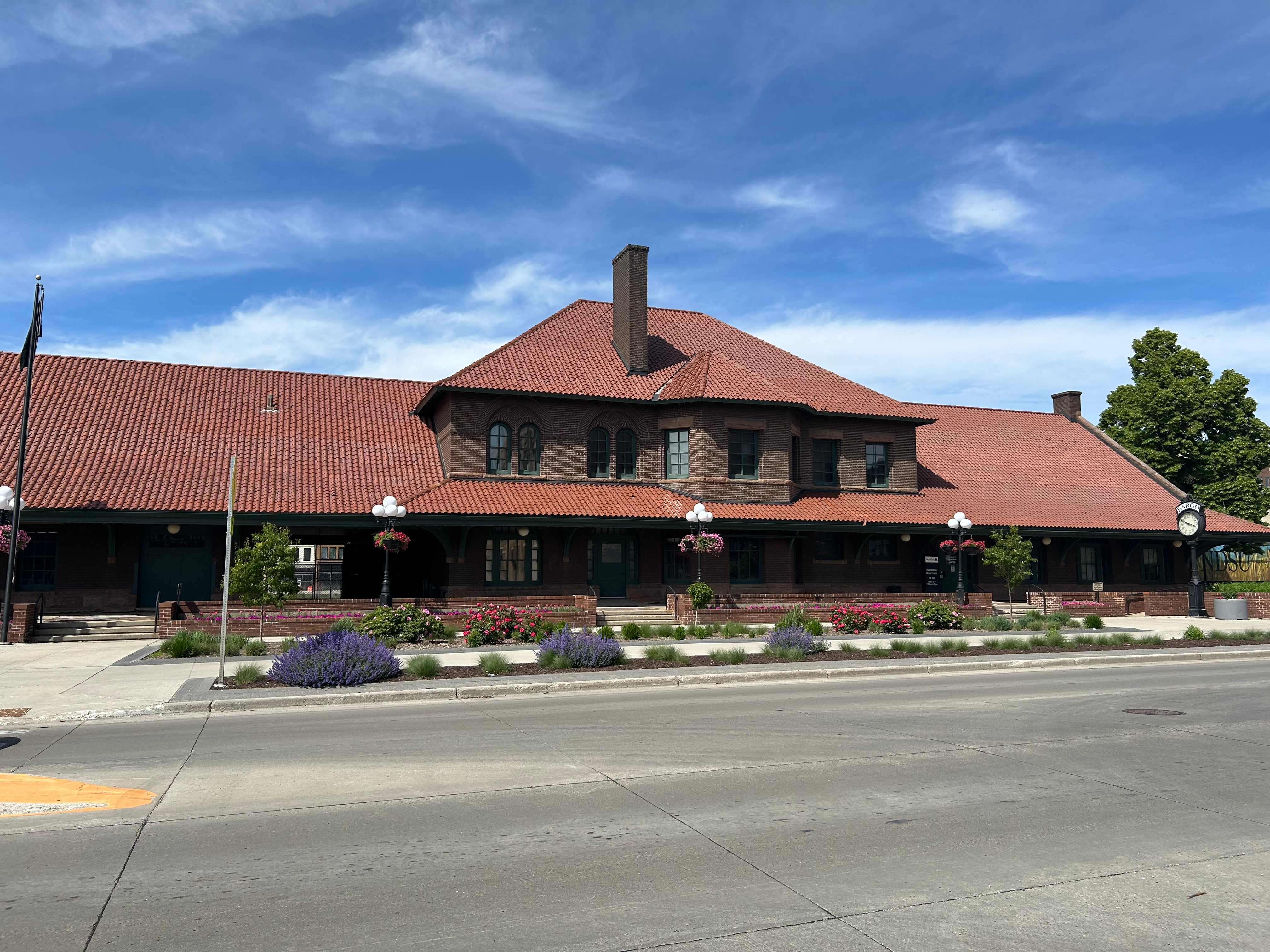
This is the story of how a frontier town became an international destination for the unhappily married — and what happened when the scandal finally caught up with it.
The Loophole
Dakota Territory was desperate for settlers. In 1866, hoping to attract population, the territorial legislature passed extraordinarily permissive divorce laws. The original statute was almost comically lenient: any person could file for divorce immediately upon arriving in the territory. No residency period. No waiting. Just show up, file papers, and your marriage was over.
The reasoning was practical, if cynical. Easy divorce would attract the unhappily married. The unhappily married would bring money. Money would build the territory. Nobody expected the law to turn Dakota into a divorce destination — it was just one of many inducements designed to lure settlers to an empty, frozen prairie.
But word spread. In an era when most states required lengthy residency periods, extensive grounds for divorce, and public airing of marital grievances, Dakota offered an escape. You could get a divorce without explaining why. Without witnesses. Without scandal. You just had to get to Fargo.
"Fargo Divorce Mill: A flourishing industry fostered by North Dakota laws."
— The Sun, Fargo newspaper headline, 1894
The Mill
In 1877, the legislature tightened the law slightly, requiring 90 days of residency before filing. But 90 days was still nothing compared to other states, and Fargo — the largest city in the territory, sitting on the main railroad line from the east — became ground zero for the "divorce mill."

The process was simple. A spouse seeking divorce would arrive by train, check into a Fargo hotel, and establish "residency." They would wait out the 90-day period — or, more often, find a friendly judge who would waive it. Then they would file papers, appear in court, and receive their decree. The whole thing could be accomplished in an afternoon if you knew the right people.
And people knew the right people. A cottage industry of lawyers, hotel keepers, and fixers emerged to serve the divorce trade. Hotels offered special rates for "temporary residents." Lawyers advertised discretion and speed. Local judges competed for business, granting divorces with minimal scrutiny. One Fargo judge, W.H. Winchester, reportedly granted 350 divorces in a single year.
The clients came from everywhere. New York society wives escaping unhappy marriages. Chicago businessmen seeking to remarry. European aristocrats looking for a quick, quiet end to dynastic mistakes. Fargo didn't care who you were or why you wanted out. Fargo just processed the paperwork.
The Numbers
At the peak of the divorce mill in the early 1890s, Cass County (which includes Fargo) granted more divorces per capita than any jurisdiction in America. In some years, divorce filings outnumbered marriage licenses. Fargo was dissolving marriages faster than it was creating them.
The Hotel Years
For the divorce-seekers who actually stayed the required 90 days, Fargo became a strange kind of resort. The Headquarters Hotel and the Gardner House catered specifically to the temporary residents, offering comfortable rooms and discreet service. A subculture developed — divorce-seekers socializing with one another, comparing lawyers, discussing their cases, waiting out the clock together.
The atmosphere was peculiar. These were mostly wealthy people, accustomed to luxury, stuck in a frontier town with nothing to do but wait. They attended dinners and dances. They took carriage rides. They gossiped about each other's marital disasters. It was like a sanitarium for the unhappily married, a prairie purgatory between one life and the next.
Some stayed longer than required. A few never left. The divorce colony had its romances — people who came to end one marriage and found the beginning of another. Lawyers sometimes married their clients. Hotel keepers married the guests. The divorce mill created its own strange community.
"Fargo society during the divorce boom was unlike anything else in America. You would attend a dinner party and everyone at the table was waiting for their decree. It was liberating, in a way. Nobody judged, because everyone was guilty of the same sin."
— Fargo resident, Reminiscence, 1920s
The Scandal
The divorce mill made Fargo famous — and infamous. Eastern newspapers ran scandalized stories about the "divorce colony" where morality went to die. Preachers thundered against Dakota's laws from pulpits across the country. Fargo became shorthand for moral laxity, a symbol of frontier lawlessness threatening the institution of marriage.
The criticism stung. North Dakota had achieved statehood in 1889, and its leaders wanted respectability. They wanted to be seen as a serious state with serious institutions, not a joke destination for the morally compromised. The divorce trade was lucrative, but it was also embarrassing.
The backlash came from within, too. Local churches condemned the divorce mill. Civic leaders worried about the message it sent. Women's groups, who might have been expected to support easier divorce, instead argued that the mill encouraged men to abandon families. By the mid-1890s, pressure to reform the laws was mounting.
The question was whether North Dakota could afford to give up the revenue. The divorce trade brought real money — legal fees, hotel bills, restaurant meals, all from wealthy out-of-staters who wouldn't otherwise set foot in Fargo. Killing the mill meant killing an industry.
The End
In 1899, the North Dakota legislature finally acted. The new law required one full year of residency before filing for divorce. It also required U.S. citizenship, eliminating the European trade. And it tightened the grounds for divorce, requiring actual evidence of wrongdoing rather than simple mutual consent.
The effect was immediate. Divorce filings in Cass County dropped by over 80% in the first year. The hotels that had catered to the divorce colony lost their clientele. The lawyers who had specialized in quick dissolutions had to find new work. The mill was dead.
Some of the trade moved elsewhere. Sioux Falls, South Dakota, had similar laws and picked up some of Fargo's business. Later, Reno, Nevada, would become the new divorce destination, offering the same quick process that Fargo had pioneered. The demand for easy divorce didn't disappear — it just found new venues.
But Fargo's moment was over. The town that had been internationally famous for dissolving marriages became just another prairie city, respectable and forgettable. The divorce colony dispersed. The temporary residents went home. And Fargo began forgetting what it had been.
The Legacy
The "divorce mill" era left almost no physical traces in Fargo. The Headquarters Hotel is gone. The courthouse where Judge Winchester granted 350 divorces in a year has been replaced. No historical markers commemorate the divorce colony. Fargo erased this chapter of its history so thoroughly that most residents today have never heard of it.
The Meaning
The Fargo divorce mill raises uncomfortable questions about marriage, law, and morality. For decades, unhappy spouses had no escape from bad marriages — trapped by laws designed to make divorce nearly impossible. Dakota offered a way out. Was that wrong?
The critics saw the mill as a threat to family values, an invitation to immorality, a sign of social decay. But the people who used it saw something else: freedom. A chance to escape abuse, incompatibility, or simple misery. A second chance at happiness. The mill existed because the demand existed, and the demand existed because people were trapped.
Today, no-fault divorce is available in every state. The idea that you can end a marriage without proving wrongdoing — the very thing that made Dakota's laws so scandalous — is now standard. Fargo was ahead of its time, offering in the 1880s what wouldn't become universal for another century.
In the 1880s and 1890s, unhappy spouses from across America and Europe traveled to Fargo, North Dakota, to escape their marriages. The town's lenient laws, friendly judges, and efficient process made it the divorce capital of the nation. Hotels filled with temporary residents waiting out their 90 days. Lawyers grew rich on other people's misery. One judge granted 350 divorces in a single year.
Then the scandal grew too loud, the criticism too sharp. North Dakota changed its laws, and the mill shut down. The divorce-seekers went elsewhere. Fargo became respectable. And the whole strange chapter — the hotels, the lawyers, the society dinners for the soon-to-be-single — disappeared from memory.
But for a few decades, Fargo was the place where marriages went to die. Quick, quiet, no questions asked. The city that processed America's unhappiness, one decree at a time.
Learning More
The Institute for Regional Studies at North Dakota State University holds archives related to the divorce mill era, including court records and newspaper accounts. The book "Divorce: An American Tradition" by Glenda Riley includes a chapter on Dakota Territory's role in divorce history.