Lost Seattle
The Crocodile, Dog House, and legendary spots that shaped Seattle nights
Seattle has lost pieces of itself to gentrification, progress, and changing times. These were the places where scenes were born, where regulars became legends, and where the city found its identity. The buildings may be gone, but the memories remain with everyone who walked through their doors.
1
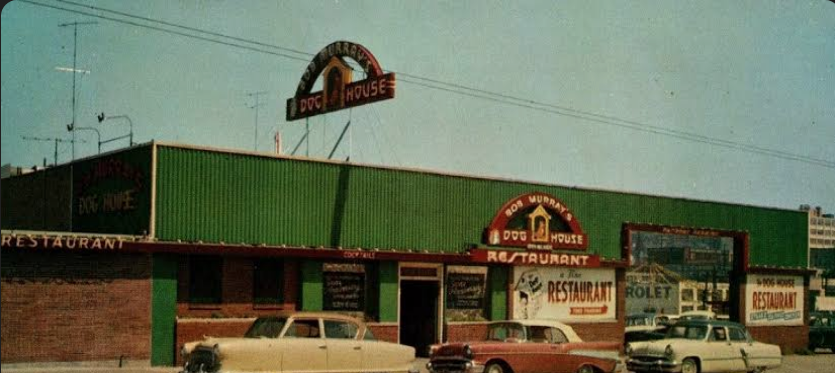
The Dog House
1934-1994Belltown
The Story
Seattle's legendary 24-hour greasy spoon. For 60 years, the Dog House was where fishermen, barflies, artists, and insomniacs went when nowhere else was open. Cheap eggs, endless coffee, and the neon sign that defined Belltown.
Why It's Missed
The Dog House didn't close — it was open 24 hours a day for 60 years straight. Night-shift workers. Post-bar drunks. Insomniacs nursing heartbreak over scrambled eggs at 4 a.m. The waitresses were legendary — gruff, lightning-fast, impossibly kind to regulars, and they never forgot your order. When it finally shuttered in 1994 for a condo development, they saved the neon sign but lost everything else. The $2 breakfast specials. The booth where you could sit as long as you needed. The particular 3 a.m. alchemy of strangers eating eggs together in silence. That kind of place doesn't exist anymore. Seattle got expensive and lost its all-night soul.
"I spent countless late nights at the Dog House. It was the last honest place in a changing city." — Seattle native
Last Known Address
2230 7th Ave, Seattle2
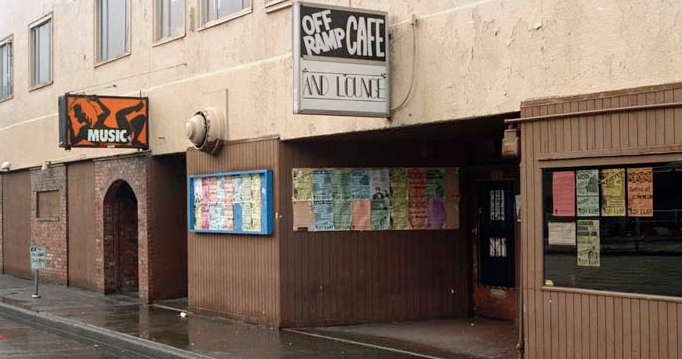
The Off Ramp
1988-2003Eastlake
The Story
The dive bar where grunge was born. Nirvana, Pearl Jam, Soundgarden, Alice in Chains — they all played this tiny stage when nobody knew their names. Five-dollar cover. Terrible sound. Perfect energy.
Why It's Missed
The Off Ramp was a cramped, sweaty, smoke-choked dive with terrible acoustics and bathrooms that violated health codes. It was also the most important music venue in Seattle history. For $5, you could see Nirvana before "Smells Like Teen Spirit." Pearl Jam before they had a record deal. Soundgarden before anyone outside Seattle had heard of them. The stage was tiny. The floor was sticky. The sound system was garbage. None of that mattered. The energy was everything. When it closed in 2003, they bulldozed it for condos. The people who live there now have no idea they're sleeping where Kurt Cobain played his first Seattle shows. That stage was sacred ground. Now it's somebody's kitchen.
"Every important band in Seattle history played the Off Ramp. That stage was sacred ground." — Seattle musician
Last Known Address
109 Eastlake Ave E, Seattle3
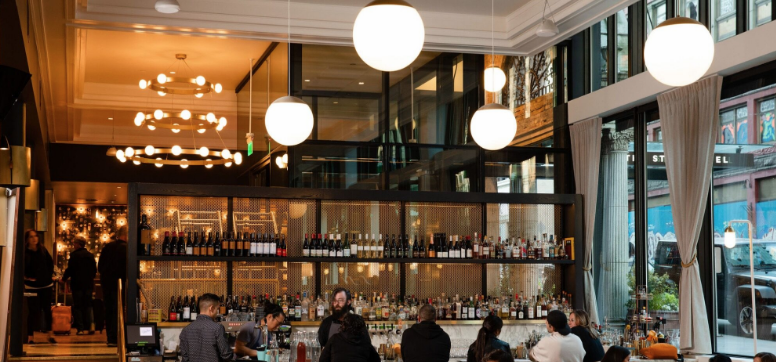
Bakeman's Restaurant
1977-2020Pioneer Square
The Story
The beloved downtown lunch counter famous for turkey sandwiches, meatloaf, and a no-nonsense ordering system that terrified newcomers. Cash only, no modifications, pure efficiency.
Why It's Missed
Bakeman's had rules: Know your order before you reach the counter. No substitutions. No credit cards. No nonsense. The turkey sandwich was carved fresh and piled high. The meatloaf was your grandmother's recipe if your grandmother knew what she was doing. Downtown office workers planned their days around the lunch rush. When the pandemic closed it in 2020, the family decided not to reopen. Pioneer Square lost its soul.
"If you didn't know the rules, the counter lady would let you know. But if you were a regular, she'd have your order ready before you opened your mouth." — Downtown worker
Last Known Address
122 Cherry St, SeattleSponsored Pick
Advertisements help support our content
4
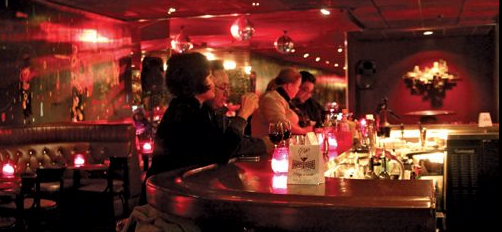
Vito's
1953-2010 (original)First Hill
The Story
The Italian supper club with red vinyl booths, jazz combos, and an old-school Vegas vibe. Dean Martin would have felt at home.
Why It's Missed
Vito's was where your grandfather took your grandmother on dates — and where their grandkids discovered what nightlife could be. The jazz was live, the cocktails were stiff, and the Italian food was secondary to the atmosphere. It closed, reopened, and closed again. Each iteration tried to capture the original magic. None quite succeeded. Some rooms can't be rebuilt.
"They don't make places like Vito's anymore. Every booth had a story." — Seattle jazz fan
Last Known Address
927 9th Ave, Seattle5
RKCNDY
1991-2000Belltown
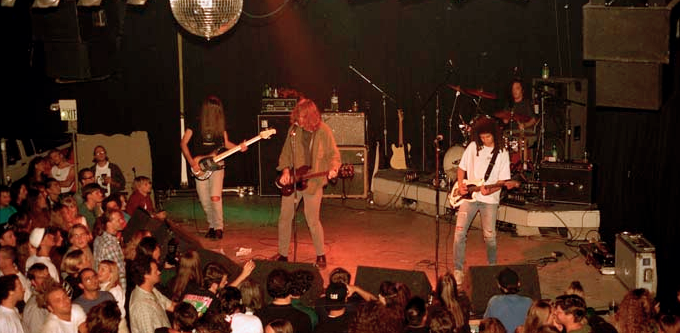
The Story
The all-ages punk and alternative venue where Seattle's next generation of musicians cut their teeth. Cheap shows, sweat, and the promise that anyone could be a star.
Why It's Missed
While the Off Ramp nurtured grunge's first wave, RKCNDY (pronounced "Rock Candy") was where the scene went next. The venue was deliberately all-ages, ensuring that high schoolers could see bands before they turned 21. The bookings ranged from local punk to touring indie rock. The crowd was young, intense, and devoted. When RKCNDY closed in 2000, Seattle's all-ages scene never fully recovered.
"RKCNDY was the first place that treated us like real fans. We weren't old enough to drink, but we were old enough to belong." — Former attendee
Last Known Address
1812 Yale Ave, SeattleStay curious
New stories and hidden gems delivered to your inbox.
No spam. Unsubscribe anytime.
Explore More
Discover more curated guides and local favorites.
Seattle's Best Bars
Dive bars, cocktail lounges, and neighborhood favorites
Explore
Seattle's Best Coffee Shops
Local roasters, cozy cafes, and third wave spots
Explore
Seattle's Best Restaurants
From fine dining to hidden gems and local favorites
Explore
Seattle's Dark Seattle
Unsolved mysteries and darker chapters
Explore
Seattle's Curiosities
Fascinating facts and surprising stories
Explore
Seattle's Hidden Nature
Secret spots and local treasures
Explore
Seattle's Lost Seattle
Beloved places we miss
Explore
Dallas Best Bars
Dive bars, cocktail lounges, and neighborhood favorites
Explore
Know something we missed? Have a correction?
We'd love to hear from you