Deep Dives
Articles
Longform stories and essays exploring Anchorage's history, culture, and untold stories.
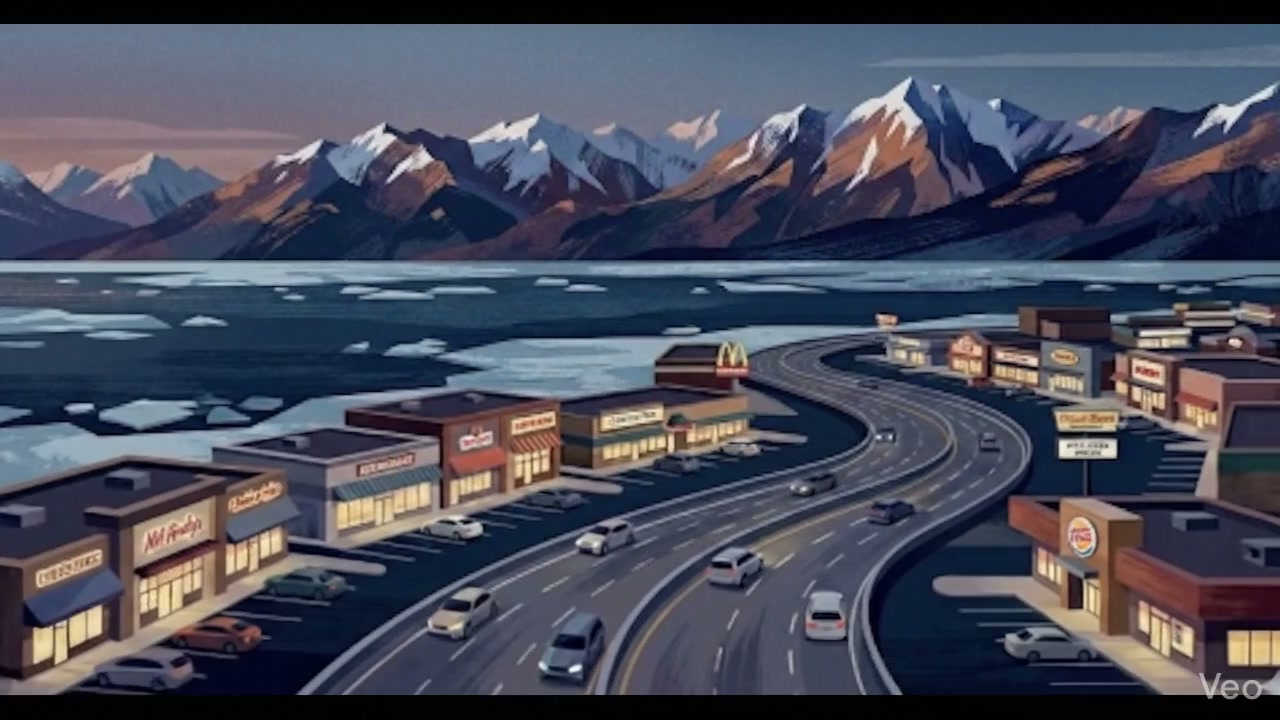
The Last Frontier City
Strip malls, moose calving in backyards, and the strange normalcy of living at 61 degrees north
Read More

When the Ground Turned to Liquid: The 1964 Alaska Earthquake
On March 27, 1964, the most powerful earthquake ever recorded in North America struck Alaska. At 9.2 magnitude, it shook for four and a half minutes. Entire neighborhoods liquefied and slid into the sea. The landscape was permanently altered. You can still walk through the scars.
Read More

The Plane That Vanished
On October 16, 1972, a small plane carrying two U.S. congressmen took off from Anchorage and vanished. Hale Boggs was the House Majority Leader, second in line for the presidency. Nick Begich was Alaska's only congressman. Despite a 39-day search covering 32,000 square miles, no trace of the plane was ever found. Begich won re-election a month later — posthumously. The disappearance spawned conspiracy theories involving the Mafia, the FBI, and Watergate. The truth remains unknown.
Read More

The Founding Tragedy
In 1918, the Spanish flu reached Alaska and devastated the Dena'ina Athabascan people who had inhabited the Anchorage region for centuries. Approximately 50% of the Dena'ina population in the Cook Inlet region died. Eight villages were completely abandoned. The founding of Anchorage and the near-extinction of its original inhabitants happened simultaneously — and the city has never reckoned with this coincidence.
Read More

The Wettest Dry Town in Alaska
In 1917, Alaska banned alcohol sales — two years before national Prohibition. Anchorage, a rough railroad town of 1,900 people, responded predictably: it became one of the wettest dry towns in America. Bootleggers landed contraband at a hidden cove on Cook Inlet. Forty speakeasies operated openly. The legendary "Phantom Swede" ran liquor with impunity. Children earned $5 bounties for reporting illegal stills. Anchorage was born drunk, and Prohibition only made it thirstier.
Read More
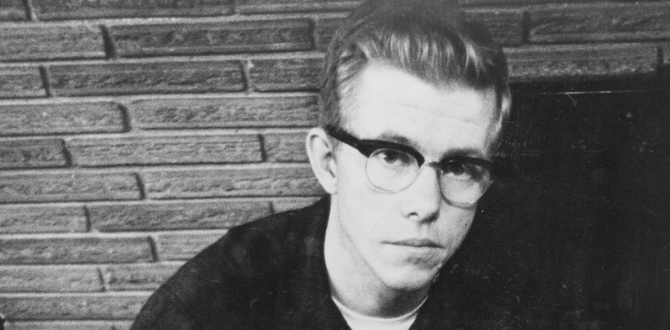
The Butcher Baker
How a quiet Anchorage baker hunted women in the wilderness—and almost got away with it
Read More