Lost Tampa
The Columbia, Ybor nightclubs, and Tampa's legendary lost establishments
Tampa's history is written in cigar smoke and neon. From the Latin clubs of Ybor City to the waterfront dives that served fishermen at dawn, these were the places that gave the city its flavor. Some closed when the neighborhoods changed. Some when the owners got tired. All left a hole that chains can't fill.
1
The Ritz Ybor
1917–2018Ybor City
The Story
For over a century, The Ritz was where Tampa heard history happen. Elvis shook his hips here in the '50s. The Ramones tore through three-chord fury. Jazz legends played the early years. Punk bands destroyed the stage in the '80s. EDM rattled the walls in the 2010s. Every generation claimed this room as theirs. It closed in 2018, briefly flickered back to life, then went dark for good. Now it sits empty on 7th Avenue—a silent monument to a music scene that once mattered.
Why It's Missed
The sweat-soaked history embedded in every floorboard. The feeling that greatness had stood on that exact stage. The knowledge that Tampa once had a music scene worthy of the name. The Ritz was proof.
"The Ritz was where Tampa's music scene lived and died." — Creative Loafing Tampa
Last Known Address
1503 E 7th Ave, Tampa2
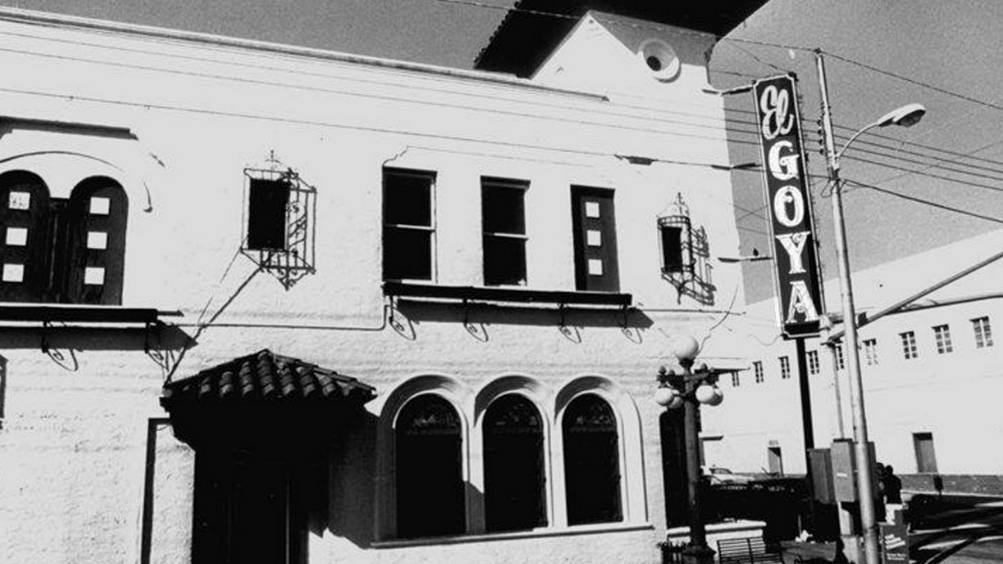
Ybor City's El Goya
1920s–2009Ybor City
The Story
This was the Spanish bar where bolita numbers were called in hushed voices, where cigar workers drank cheap whiskey after 12-hour shifts rolling Perfectos, where Cuban and Spanish immigrants argued politics in rapid-fire Spanglish until dawn. For nearly 90 years, El Goya was the beating heart of working-class Ybor—before Ybor became a brand. It closed in 2009, victim to rising rents and a neighborhood that no longer belonged to the people who built it.
Why It's Missed
The connection to Ybor's immigrant soul. The sense that these walls witnessed a Tampa that will never exist again. The authenticity that predates authenticity-as-marketing. When El Goya closed, old Ybor closed with it.
"El Goya was the last piece of real Ybor." — Tampa Tribune
Last Known Address
1802 E 7th Ave, Tampa3
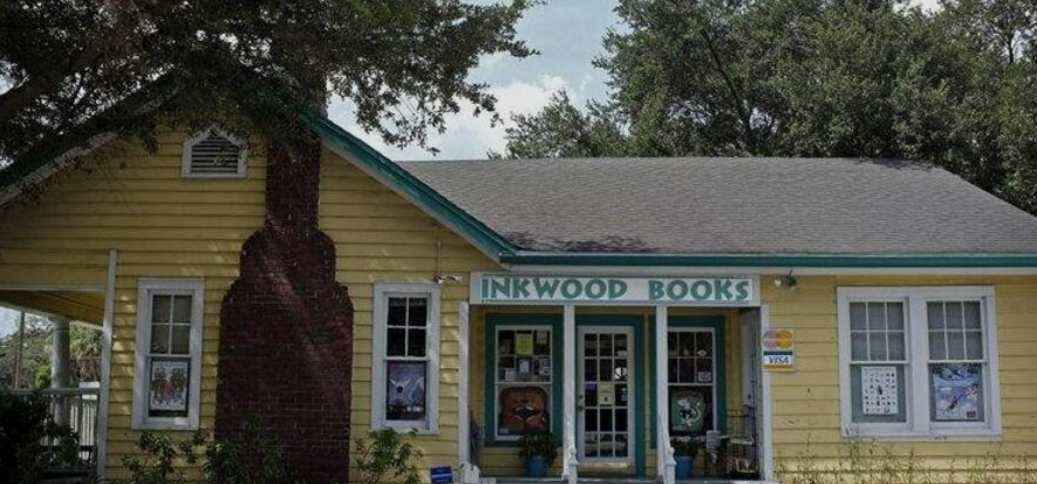
Inkwood Books
1994–2019South Tampa
The Story
The indie bookstore where the staff actually read the books they recommended. Where literary novelists signed first editions on folding tables. Where South Tampa discovered Jonathan Franzen, Elena Ferrante, and Colson Whitehead before Oprah did. For 25 years, Inkwood fought the Amazon war by being smarter, more passionate, more essential. It closed in 2019 when the owner retired, having outlasted Borders and Barnes & Noble's relevance but not e-commerce itself.
Why It's Missed
The handwritten staff picks that changed your reading life. The author events that felt like dinner parties. The radical notion that South Tampa could be a place where books mattered. Inkwood was Tampa's literary conscience.
"Inkwood was where Tampa went to think." — Tampa Bay Times
Last Known Address
216 S Armenia Ave, TampaSponsored Pick
Advertisements help support our content
4
The Hub
1946–2020South Tampa
The Story
The neon-signed bar and grill where construction workers sat next to attorneys and nobody gave a damn. Cheap burgers. Cold beer. No pretension. No craft cocktails. No farm-to-table anything. For 74 years, The Hub was where South Tampa ate without apology—a neighborhood joint that survived gentrification, recession, and changing tastes. Then the pandemic came. The Hub didn't make it to 75.
Why It's Missed
The glowing neon sign that felt like Old Florida. The burgers that didn't need truffle aioli. The rare acknowledgment that working people still existed in South Tampa. The Hub was the anti-gastropub, and we didn't appreciate it until it was gone.
"The Hub was Tampa before Tampa got fancy." — Tampa Bay Times
Last Known Address
719 N Dale Mabry Hwy, Tampa5
The Castle
1994–2020Ybor City
The Story
A goth club. In Florida. In an 1890s building that actually looked like a castle. For 26 years, this was where Tampa's goths, punks, metalheads, and industrial-music devotees danced to Ministry, Skinny Puppy, and whatever else matched the black clothing dress code. The walls dripped with fake cobwebs. The dance floor vibrated with bass. The whole enterprise was gloriously absurd—a dark temple in the Sunshine State. The pandemic killed it in 2020.
Why It's Missed
The sheer commitment to darkness in the brightest state in America. The knowledge that Tampa had weirdos, and they had a home. The Castle proved Tampa wasn't just theme parks and beaches—it had a shadow side, and that side knew how to dance.
"The Castle was where Tampa's freaks went to dance." — Creative Loafing Tampa
Last Known Address
2004 N 16th St, Tampa6
The Columbia Restaurant (original soul)
1905–ongoingYbor City
The Story
Wait—The Columbia is still open. You can still order the 1905 Salad. Flamenco dancers still perform on weekends. But old-timers will tell you the soul left years ago. The original Columbia belonged to cigar workers eating arroz con pollo on their lunch breaks, to Spanish and Cuban families celebrating quinceañeras, to Ybor when Ybor was still a working neighborhood. The restaurant expanded, corporatized, survived. But somewhere along the way, it stopped being ours and became theirs—tourists with fanny packs, not the people who built this city.
Why It's Missed
The feeling that you were eating history, not performing it. The sense that Columbia belonged to Tampa, not to TripAdvisor. The original spirit—scrappy, immigrant, unapologetically local—that faded as Ybor gentrified and the restaurant became an institution.
"The Columbia used to be ours. Now it's a tourist attraction." — Tampa Bay Times
Last Known Address
2117 E 7th Ave, TampaSponsored Pick
Advertisements help support our content
7
Bern's Steak House (Bern Laxer's vision)
1956–ongoingHyde Park
The Story
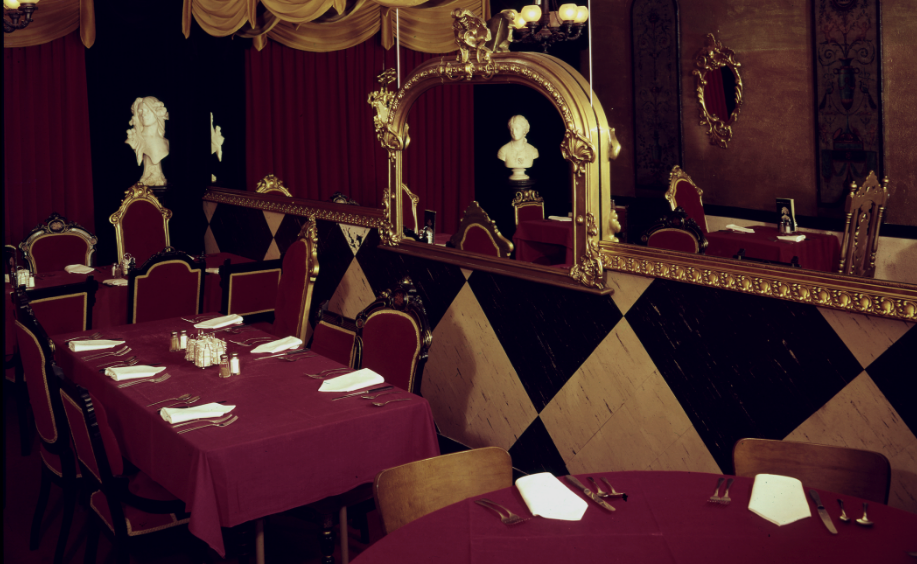
Like The Columbia, Bern's still exists—the steaks still arrive perfectly aged, the wine cellar still houses half a million bottles. But the original experience belonged to Bern Laxer, the obsessive genius who built a cathedral to beef and Bordeaux. Bern died in 2002. His restaurant survives, meticulously preserved, but purists say the madness left with him. What remains is a steakhouse. What was lost was a vision—the sense that you were eating in someone's magnificent obsession, not a well-run establishment.
Why It's Missed
Bern's personal mania—the hand-selecting of every steak, the encyclopedic wine knowledge, the tableside theater that felt like performance art. The original Bern's wasn't just dinner. It was ego and excellence colliding on a plate.
"Bern built a temple to steak. Now it's just a steakhouse." — Tampa Bay Magazine
Last Known Address
1208 S Howard Ave, Tampa8
Buddy Brew Coffee (original Bayshore)
2010–2020Hyde Park
The Story
Before Buddy Brew became a chain with airport kiosks, there was the original cramped storefront on Bayshore. It was Tampa's first real third-wave coffee shop—where baristas knew your order, where Hyde Park creatives camped out with laptops, where the patio functioned as the neighborhood's living room. The original location closed in 2020. Other Buddy Brews remain, successful and consistent. But the first one had something the others don't: it felt like discovery, not franchise.
Why It's Missed
The original intimacy before expansion. The patio where you'd run into everyone you knew. The sense that Tampa could have an independent coffee culture, not just Starbucks. The first Buddy Brew was where Hyde Park went to feel cosmopolitan.
"The first Buddy Brew was where Tampa went to feel cool." — Creative Loafing Tampa
Last Known Address
2020 W Kennedy Blvd, TampaStay curious
New stories and hidden gems delivered to your inbox.
No spam. Unsubscribe anytime.
Explore More
Discover more curated guides and local favorites.
Tampa's Best Bars
Dive bars, cocktail lounges, and neighborhood favorites
Explore
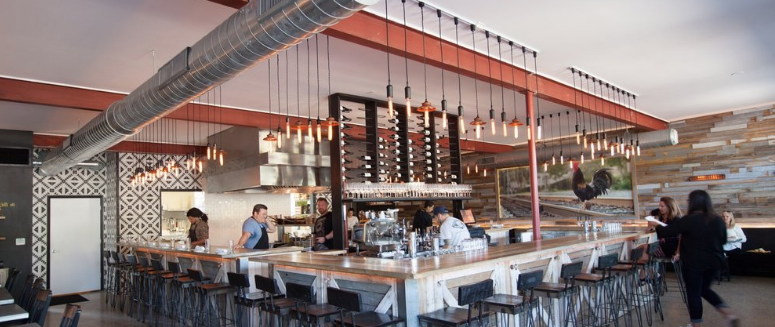
Tampa's Best Restaurants
From fine dining to hidden gems and local favorites
Explore
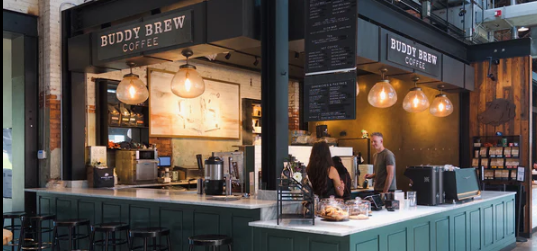
Tampa's Best Coffee Shops
Local roasters, cozy cafes, and third wave spots
Explore
Tampa's Dark History
Unsolved mysteries and darker chapters
Explore
Tampa's Curiosities
Fascinating facts and surprising stories
Explore
Tampa's Hidden Tampa
Secret spots and local treasures
Explore
Tampa's Abandoned & Lost Places
Beloved places we miss
Explore
Minneapolis Best Bars
Dive bars, cocktail lounges, and neighborhood favorites
Explore
Know something we missed? Have a correction?
We'd love to hear from you